Stretches & Recovery
Stretching routines, foam rolling guides, and mobility work for a healthy, flexible back.
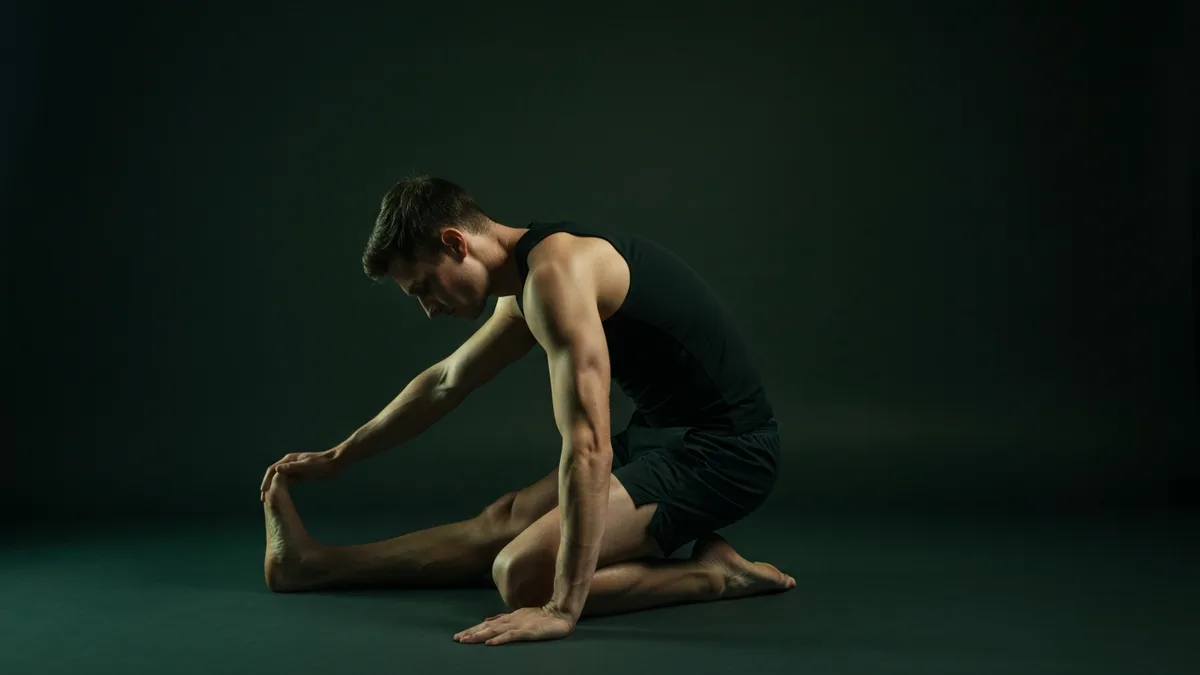
Lower Back Decompression Stretches: Complete Guide
Spinal decompression stretches work by reversing the compressive forces that accumulate throughout the day. Every hour of sitting, standing, and lifting compresses the lumbar discs — these stretches create the opposite force.

Mid Back Stretches for Pain Relief
Mid-back pain between the shoulder blades is almost always a mobility and endurance problem. These stretches address the thoracic stiffness that forces the muscles to work harder than they should.

Foam Roller Stretches for Back: Self-Release Guide
A foam roller is the most versatile self-treatment tool for back stiffness and pain. It provides thoracic mobilization, muscle release, and postural correction in a single $20 piece of equipment.

Why Does My Back Pop When I Stretch?
The pop you hear when stretching your back is usually gas bubbles releasing from the facet joints. It feels satisfying, it is almost always harmless, and no, it does not cause arthritis.

Back Stretching Benefits: Why Daily Stretching Matters
Daily back stretching works not because each individual session produces dramatic changes, but because the cumulative effect of consistent small inputs reshapes tissue tolerance, mobility range, and pain perception over weeks and months.

Erector Spinae Trigger Points: Self-Release Guide
Erector spinae trigger points sit along the muscle columns on either side of the spine and produce deep aching that can mimic disc pain, kidney pain, or rib cage discomfort depending on location.