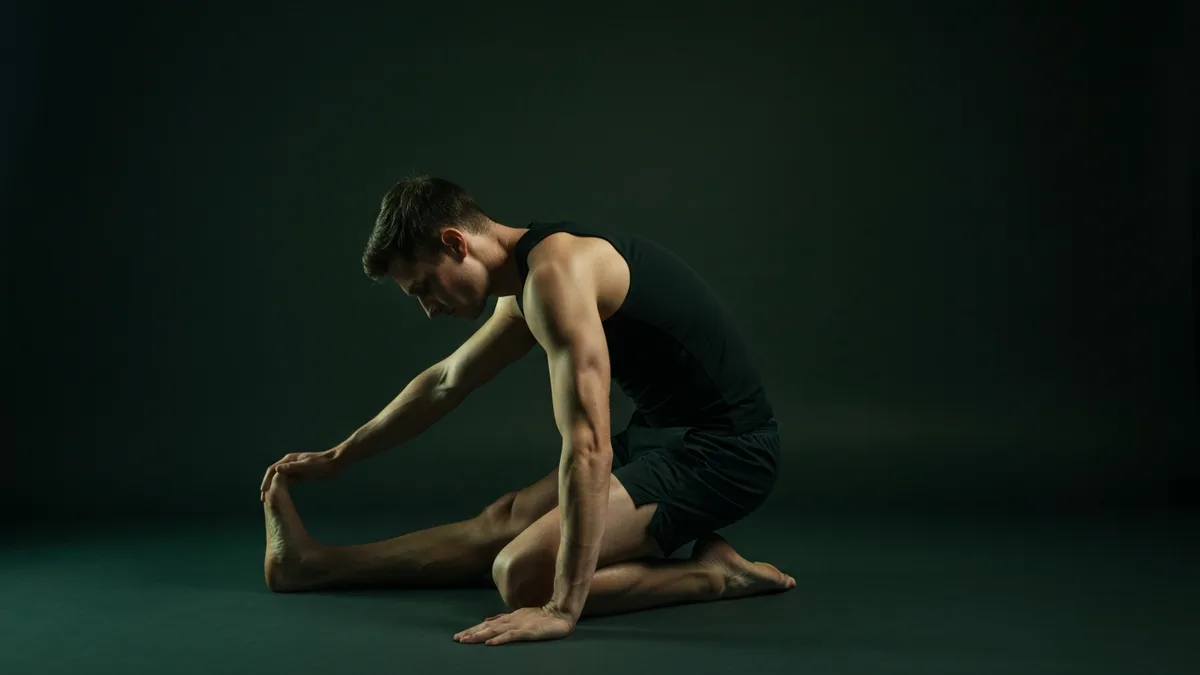
Lower back decompression stretches reduce spinal compression by creating traction, opening the intervertebral spaces, and relaxing the erector spinae muscles that tighten under sustained loading. The most effective decompression methods are dead hangs, child’s pose, prayer stretch, supine knee-to-chest, and cat-cow cycling. Perform these for 30-60 seconds each, ideally after prolonged sitting, after spinal-loading training, and before bed.
Why Decompression Matters
The lumbar spine is compressed throughout the day by gravity, body weight, and any loads you carry or lift. Research shows that people are approximately 1-2 cm shorter at the end of the day than in the morning — this height loss comes entirely from compression of the intervertebral discs. Training with deadlifts, squats, and barbell rows adds further compression beyond daily gravitational loading.
Decompression stretches reverse this process temporarily, reducing intradiscal pressure and creating space in the foramen (the bony openings where spinal nerves exit). For people with disc-related nerve compression or chronic lower back tightness, regular decompression provides meaningful symptom relief alongside the strengthening work that addresses the root cause.
Decompression Stretches
Dead Hang (Most Effective)
Hang from a pull-up bar with arms fully extended and the body relaxed. Allow gravity to traction the entire spine from the thoracic region through the lumbar. This is the most effective decompression method because the full body weight creates maximum traction force.
Duration: 30-60 seconds per hang, 2-3 hangs per session. If grip fails before 30 seconds, use wrist straps or perform multiple shorter hangs with brief rest between.
Modification: Partial hang with feet touching the ground (reducing the traction force) for people who cannot support full body weight or who find full hanging too intense initially.
Child’s Pose
Kneel on the floor, sit the hips back toward the heels, and extend the arms forward on the floor. Let the forehead rest on the mat. The lumbar spine flexes gently into a decompressed position while gravity pulls the torso toward the floor.
Duration: 30-60 seconds. For deeper decompression, walk the hands further forward and allow the chest to sink toward the floor. Breathing deeply into the lower back expands the posterior rib cage and further separates the lumbar segments.
Modification: Place a pillow between the thighs and calves if knee flexion is uncomfortable. Widen the knees to accommodate the belly if full hip flexion is limited.
Prayer Stretch (Extended Child’s Pose)
A variation of child’s pose with the arms extended as far forward as possible and the hips remaining over or behind the knees. This adds a lat and thoracolumbar fascia stretch to the lumbar decompression, addressing the entire posterior chain from pelvis to fingertips.
Duration: 30-60 seconds. Walk the hands to the left and right (5 seconds each direction) to add lateral decompression that targets the quadratus lumborum and lateral erectors.
Supine Knee-to-Chest
Lie on the back. Pull one knee toward the chest, holding behind the thigh or on the shin. This opens the lumbar foramen on the pulled side and stretches the glute and lower erector on that side. After single-leg pulls, perform a double knee-to-chest (both knees pulled toward chest simultaneously) for bilateral decompression.
Duration: 20-30 seconds per side, then 30 seconds both knees. This stretch is particularly effective for pinched nerve symptoms because it directly opens the intervertebral foramen.
Cat-Cow Cycling
On hands and knees, alternate between arching the back (cow — lumbar extension) and rounding the back (cat — lumbar flexion). Each cycle pumps fluid into and out of the intervertebral discs, promoting nutrition and reducing the stiffness that accumulates during sustained positions.
Duration: 10-15 slow cycles. Spend 3-5 seconds in each position. This is mobilization rather than static decompression — the movement component makes it particularly effective for morning stiffness and post-sleep back pain.
Supine Spinal Twist
Lie on the back with arms extended to the sides. Bring one knee across the body toward the opposite side, allowing the lumbar spine to rotate gently. Keep both shoulders on the floor. This creates a mild rotational decompression that addresses the facet joints and lateral disc structures.
Duration: 20-30 seconds per side. Do not force the rotation — gravity should provide the pull. If this position produces radiating leg symptoms, reduce the rotation range or skip this stretch.
When to Perform Decompression
After prolonged sitting: Every 2-3 hours of desk work. Even 2 minutes of cat-cow and child’s pose significantly reduces the compression that accumulates during sitting.
After training: Following deadlifts, squats, or any spinal-loading exercise. A 3-5 minute decompression routine post-training helps restore disc height and reduces post-training stiffness.
Before bed: Reversing the day’s compression before sleep allows the discs to rehydrate more effectively during the supine sleeping position. This also reduces the morning back stiffness that results from going to bed with compressed, dehydrated discs.
For complementary work, mid-back stretches address the thoracic region that often stiffens alongside the lumbar spine. Foam roller stretches provide mobilization that supplements the decompression stretches. For the strengthening exercises that produce lasting relief alongside decompression, our exercise guides cover the full progression.