Exercises & Technique
Step-by-step form guides, muscles worked breakdowns, and exercise variations for every back movement.

Lat Pulldown: Form, Muscles Worked, and Variations
The lat pulldown is the most accessible vertical pulling exercise and one of the best lat builders in the gym. Here is how to do it properly, which muscles it targets with each grip, and how to program it.
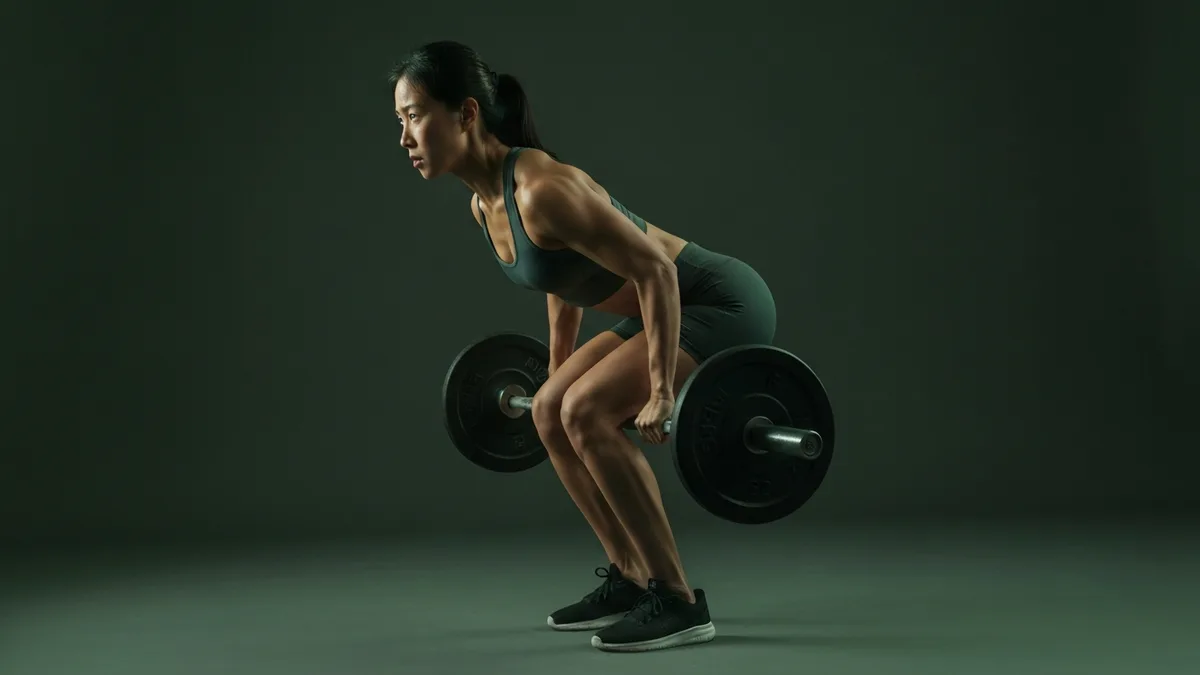
Barbell Row: Form, Muscles Worked, and Variations
The barbell row is the heaviest horizontal pull most lifters will ever perform. Done well, it builds the entire back. Done poorly, it loads the lower back without training anything else.

Cable Row: Form, Grip Variations, and Muscles Worked
The cable row is the most versatile horizontal pull in the gym. Change the grip, handle, or angle and you change which muscles do the work. Here is how to get the most out of every variation.

Back Extension: Form, Muscles Worked, and Variations
The back extension is the safest and most direct way to strengthen the spinal erectors. It builds the lower back endurance that protects you during every heavy compound lift.

Pull-Ups Muscles Worked: Every Grip Explained
Pull-ups are the gold standard for back development, but grip position completely changes which muscles bear the load. Here is exactly what each variation trains and why.

Deadlift Muscles Worked: Every Variation Explained
The deadlift loads more muscle mass than any other exercise. But the variation you choose determines whether the back, glutes, or quads bear the heaviest demand. Here is what each version actually trains.

Erector Spinae Exercises: Best Moves for Lower Back
Your erector spinae stabilizes every heavy lift you do, but most lifters never train it directly. These are the exercises that build the lower back strength and endurance your compounds depend on.

Reverse Fly Muscles Worked: Form and Variations
The reverse fly is the simplest way to target the rear delts, mid-traps, and rhomboids — the muscles most lifters neglect and the ones most responsible for shoulder health and posture.

Back Exercises for Scoliosis: Safe Strengthening Guide
Scoliosis does not mean you cannot train your back. It means you need to train smarter — balancing both sides of the spine rather than loading symmetrically and hoping for the best.

Isometric Lower Back Exercises: No-Movement Strengthening
The lower back muscles spend most of their working life holding position, not producing movement. Isometric exercises train them for this actual job — resisting forces that try to flex, extend, or rotate the spine.

Lower Back Exercises with Barbell: Complete Guide
A barbell and plates are enough to build serious lower back strength. These are the movements that matter, how to perform them safely, and how to structure them into a program.
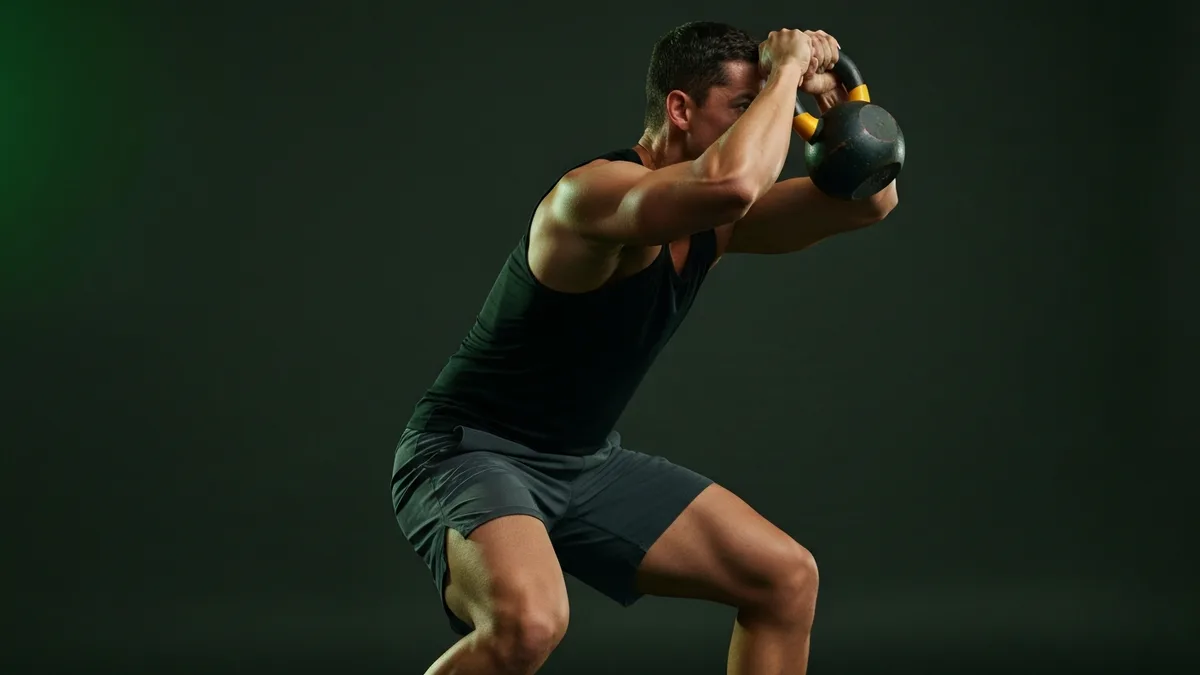
Lower Back Exercises with Kettlebells
Kettlebells train the lower back differently than barbells — through dynamic hip hinges, offset loading, and movements that demand stability in every direction. Here are the exercises that matter.
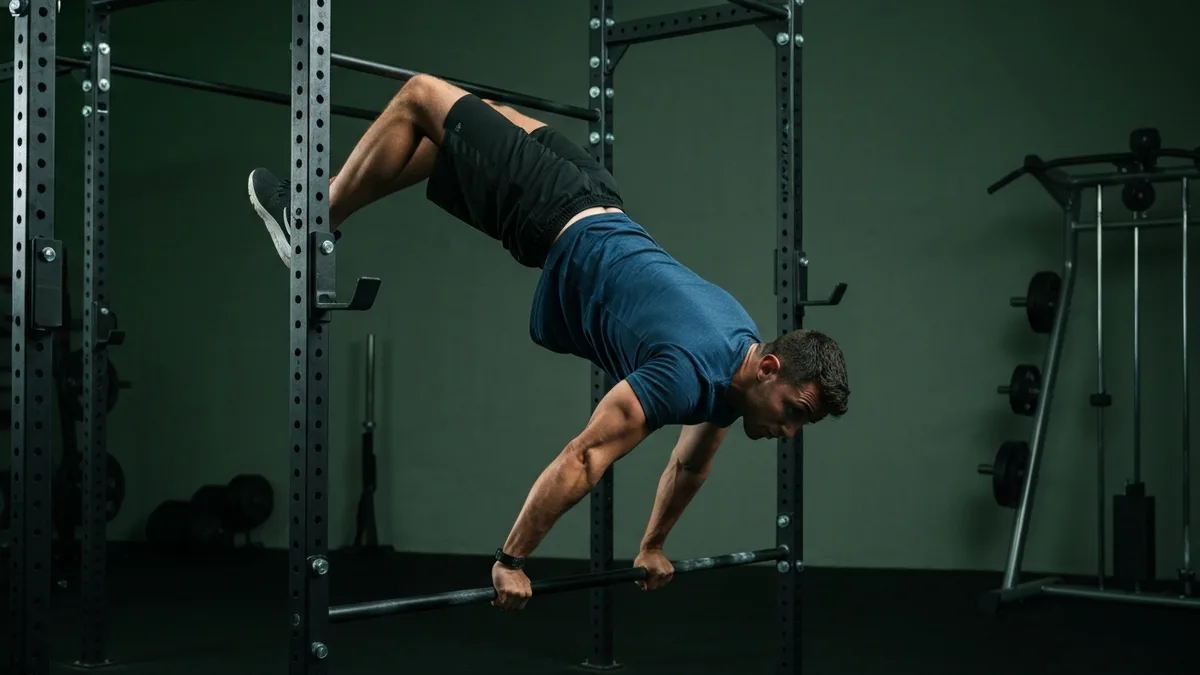
Back Workouts Calisthenics: Bodyweight Back Training
You do not need a gym to build a strong back. A pull-up bar and the floor are enough to train every pulling pattern — if you know which movements to use and how to progress them.

Pool Exercises for Lower Back Pain
Water reduces spinal compression by up to 90% while providing resistance in every direction. For people with lower back pain, the pool is often the first environment where movement feels safe again.
How Many Back Exercises Per Workout: Volume Guide
More exercises does not mean more growth. The right number depends on which movement patterns you need to cover, how many effective sets you can recover from, and where your current weak points are.
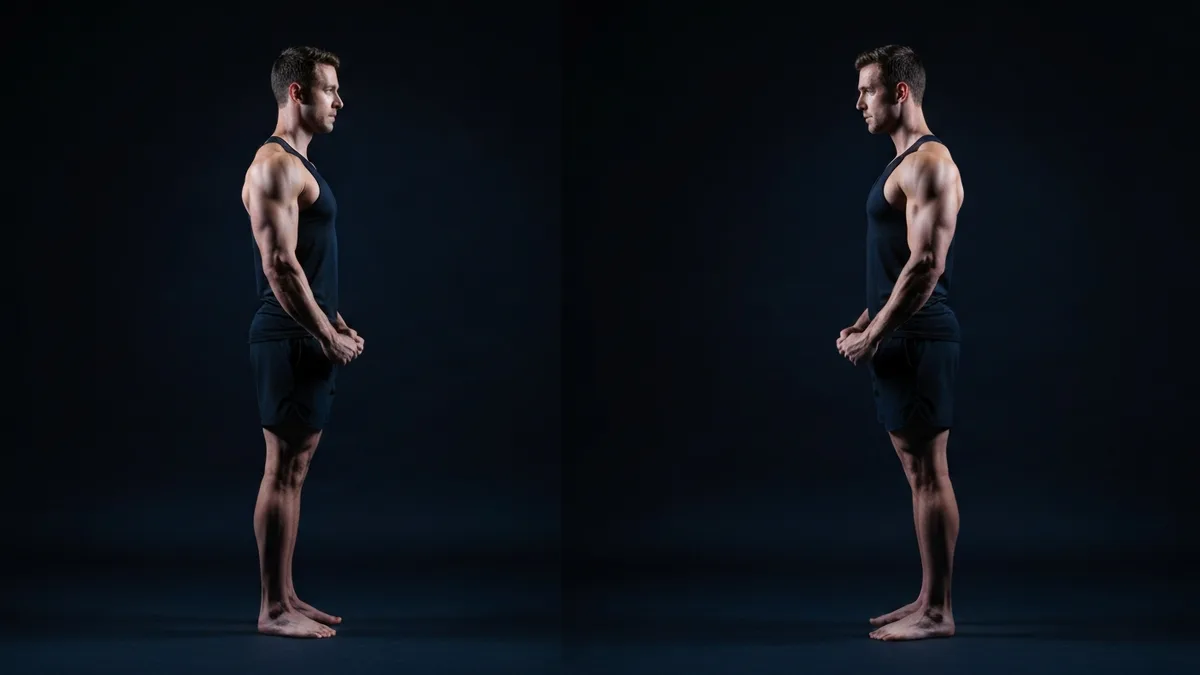
Sway Back Posture: Exercises and Correction
Sway back is the posture pattern where the hips push forward and the upper back rounds backward. It looks like relaxed standing but it is actually a dysfunctional loading pattern that stresses the lower back and hips.
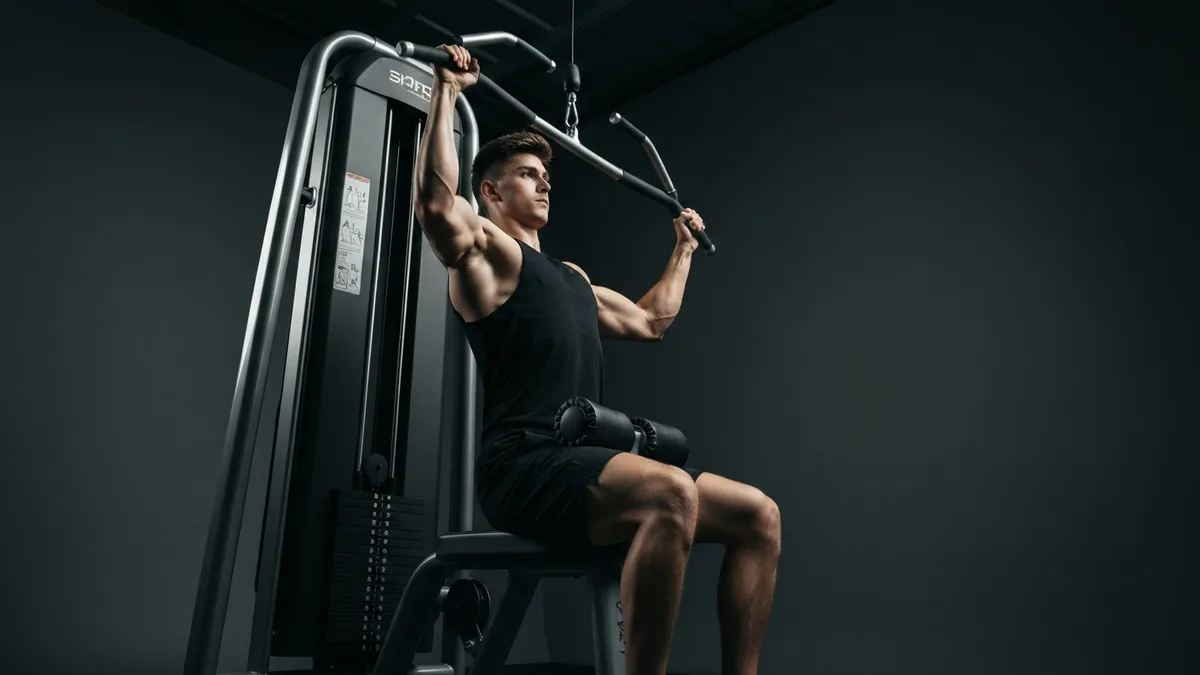
High Row vs Lat Pulldown: Which Is Better?
The high row and lat pulldown look similar but load the back through different angles. Understanding the difference helps you pick the right one for your training goals — or program both effectively.

Seated Row vs Lat Pulldown: Muscles and Programming
The seated row and lat pulldown are the two most common machine back exercises, and they are not interchangeable. Each trains a different pulling pattern that the other cannot replace.