Injury & Recovery
Evidence-based guides to back pain, muscle strains, nerve issues, and recovery protocols.

Pulled Muscle in Back: Symptoms, Recovery, Treatment
A pulled back muscle is one of the most common injuries in and out of the gym. Knowing the difference between a mild strain and something more serious determines whether you need rest or medical attention.

Lower Back Pain After Deadlift: Causes and Fixes
Some lower back sensation after deadlifts is normal. Persistent pain is not. The difference between acceptable post-deadlift tightness and a genuine problem comes down to location, duration, and type.

Rhomboid Pain: Causes, Sleep Positions, and Relief
The burning ache between your shoulder blades is almost certainly your rhomboids. This pain is overwhelmingly postural and muscular — not dangerous, but persistent until you address what is causing it.

Rhomboid Muscle Strain: Symptoms and Recovery
A rhomboid strain produces sharp pain between the shoulder blade and spine during pulling or reaching movements. Recovery is straightforward when you address both the acute injury and the muscular imbalance that caused it.

Back Spasms: Causes, Duration, and Relief
A back spasm is a sudden, involuntary contraction that locks the muscles in a painfully rigid state. It is the body’s emergency brake — a protective response that usually signals overload, fatigue, or an underlying issue that the muscles are guarding against.

Erector Spinae Pain: Symptoms, Triggers, Treatment
The erector spinae run the full length of the spine, so pain in these muscles can show up anywhere from the pelvis to the base of the skull. The location, pattern, and triggers tell you what is happening and what to do about it.

Latissimus Dorsi Trigger Points: Location and Release
Lat trigger points produce a deep ache that wraps from the mid-back around to the front of the shoulder. They are among the most common and most overlooked sources of persistent upper body pain.

Pinched Nerve in Back: Stretches, Sleep, Recovery
A pinched nerve produces a distinctive pattern: radiating pain, numbness, or tingling that follows a specific path from the spine into the arm or leg. This is different from muscular pain and requires a different approach.

Trapezius Muscle Pain: Massage, Headaches, and Relief
Trapezius pain is the most common musculoskeletal complaint in desk workers. It produces headaches, neck stiffness, and shoulder aching that keeps recurring until you address both the trigger points and the postural pattern feeding them.

Back Muscle Knots: Causes, Self-Release, Prevention
Muscle knots — myofascial trigger points — are hyperirritable spots within taut bands of muscle that produce local tenderness and referred pain. They are not actually "knots" in the tissue, but the name stuck because that is exactly how they feel.

Tingling in Back Muscles: Causes and What It Means
Tingling in the back is a neurological symptom, not a muscular one. It means a nerve is involved somewhere in the chain — and understanding where the signal originates determines whether this is a minor irritation or something requiring medical attention.

Upper Back Pain When Waking Up: Causes and Fixes
Morning upper back pain that eases within the first hour of being upright is almost always a sleep position problem. The fix is mechanical, not medical — and usually involves your pillow, your mattress, or what your shoulders are doing while you sleep.

Upper Back Pain During Running: Causes and Fixes
Upper back pain during running is rarely a running problem. It is a posture and endurance problem that running exposes — the miles simply reveal how quickly your thoracic stabilizers fatigue.

Lower Back Pain and Tight Glutes: The Connection
Tight glutes and lower back pain are not a coincidence. The pelvis connects both systems, and when the glutes restrict hip motion, the lumbar spine compensates by moving more — taking on load that the hips should handle.
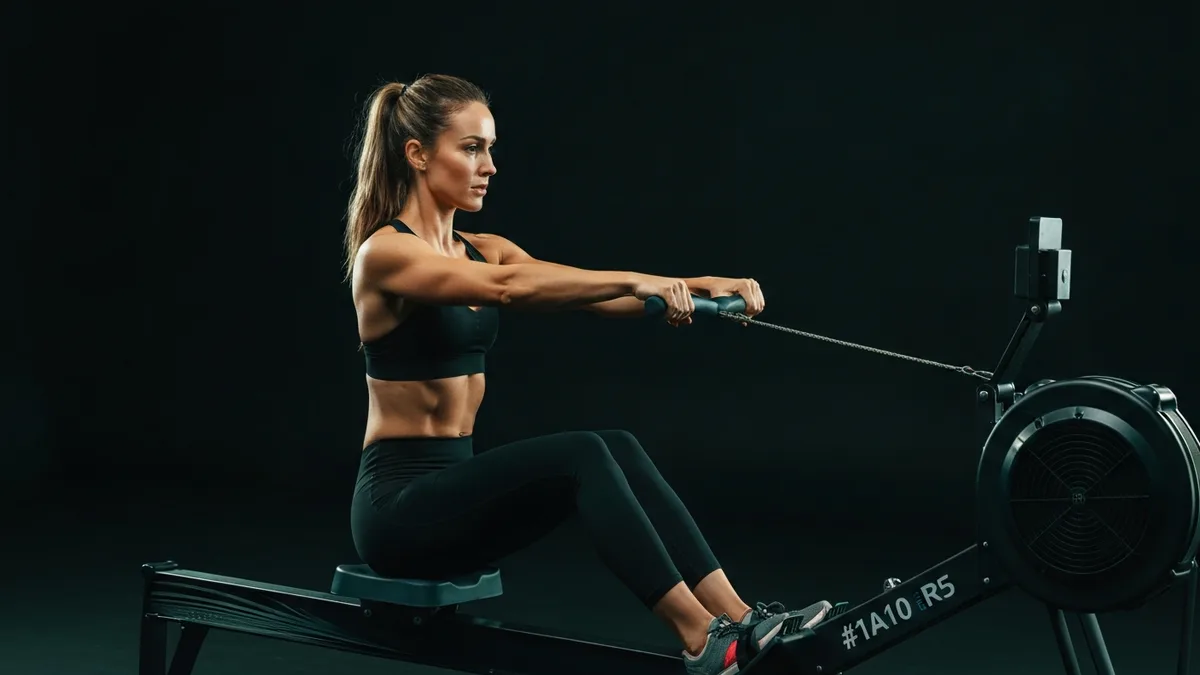
Rowing Machine and Lower Back Pain: Safe or Risky?
The rowing machine is one of the best full-body conditioning tools available. It is also one of the most commonly performed with technique errors that load the lower back excessively. The machine is safe — the execution determines whether your back agrees.

Lower Back Pain from Lifting Weights: Prevention and Fixes
Lower back pain from lifting is almost never about the exercise itself. It is about the gap between what your spine is being asked to handle and what it has been prepared to handle. Closing that gap is both the prevention and the cure.