Exercise cannot reverse structural scoliosis, but targeted back strengthening reduces pain, improves postural control, and can slow curve progression. The approach differs from standard back training — bilateral exercises that load both sides equally may reinforce existing asymmetries. Effective scoliosis training emphasizes unilateral strengthening, anti-rotation stability, and conscious correction of the curve during movement.
Understanding the Training Challenge
Scoliosis creates an asymmetric spine — one side is typically stronger and tighter, while the other is weaker and overstretched. The concave side of the curve has shortened muscles that tend to be overactive. The convex side has lengthened muscles that tend to be underactive and weak.
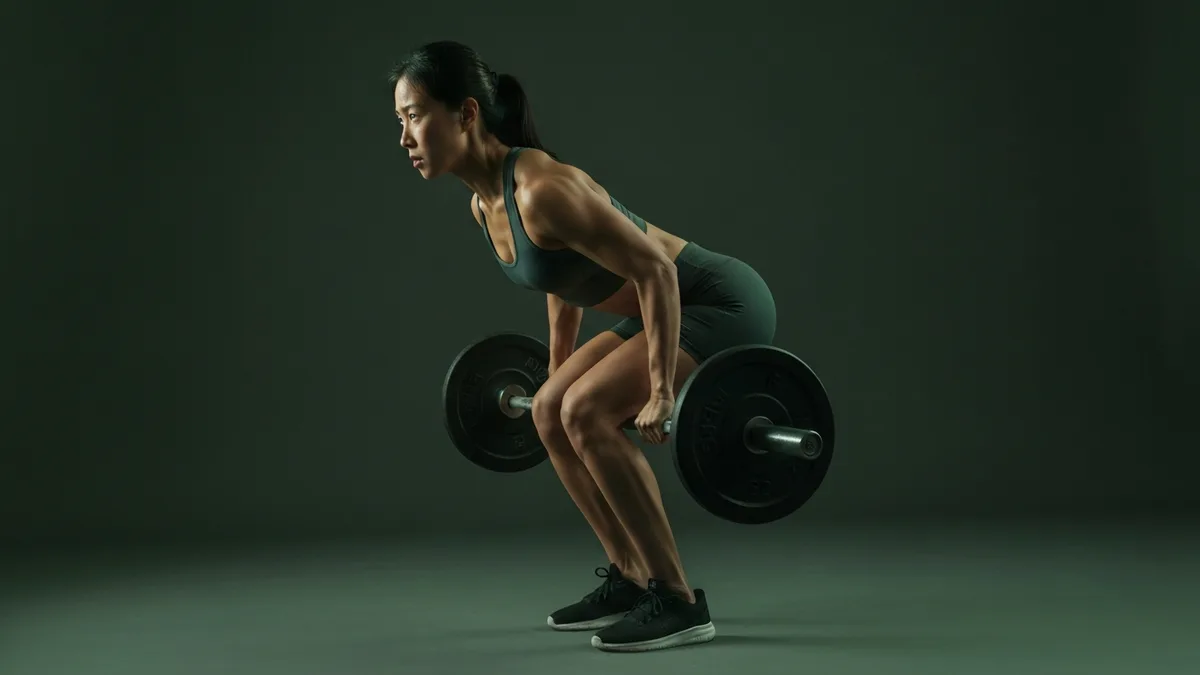
Standard bilateral exercises like barbell rows and deadlifts load both sides equally, which means the stronger side does more work while the weaker side falls further behind. This does not necessarily make these exercises harmful, but it means they do not address the core problem — asymmetric muscular support around the spine.
The goal of scoliosis-specific training is to strengthen the weak side, lengthen the tight side, and build the rotational stability that prevents the curve from worsening under load.
Safe and Effective Exercises
Bird Dog (Foundation Movement)
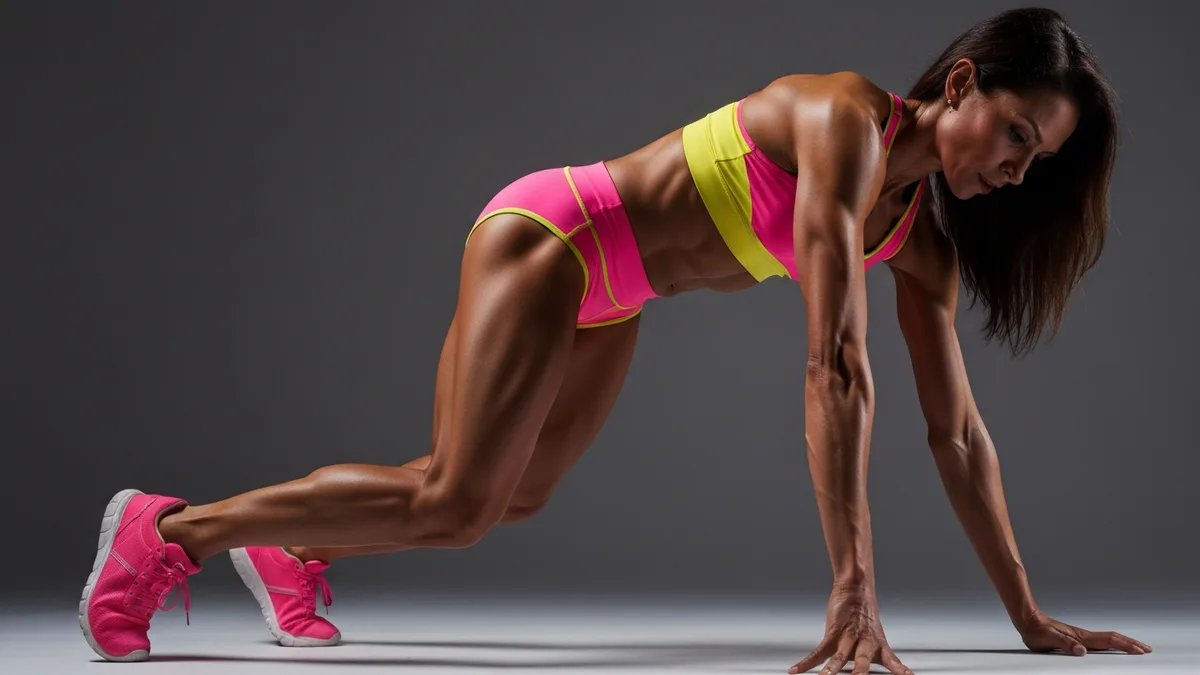
The bird dog is the single most recommended exercise across scoliosis rehabilitation research. It trains the erector spinae, multifidus, and deep stabilizers with minimal spinal compression while introducing an anti-rotation challenge that directly addresses rotational instability.
For scoliosis-specific application: perform the bird dog with extra attention to preventing trunk rotation. Place a dowel along your spine (touching the back of the head, thoracic spine, and sacrum) to monitor rotational deviation. If the dowel shifts, you have rotated — reduce range until you can maintain alignment.
Hold each position for 8-10 seconds. Perform 3 sets of 6-8 reps per side, emphasizing the weaker side with an extra set if asymmetry is significant.
Side Plank (Convex-Side Emphasis)
Research on adolescent scoliosis found that performing side planks on the convex side of the curve (the side that bows outward) produced meaningful curve reduction in some patients. The proposed mechanism is that the lateral muscles on the convex side — the quadratus lumborum and obliques — are often weak, and strengthening them provides a corrective pull.
Hold for 15-30 seconds on the convex side, performing 2-3 sets. If prescribed bilaterally, spend additional time on the convex side (2:1 ratio).
Single-Arm Cable Row
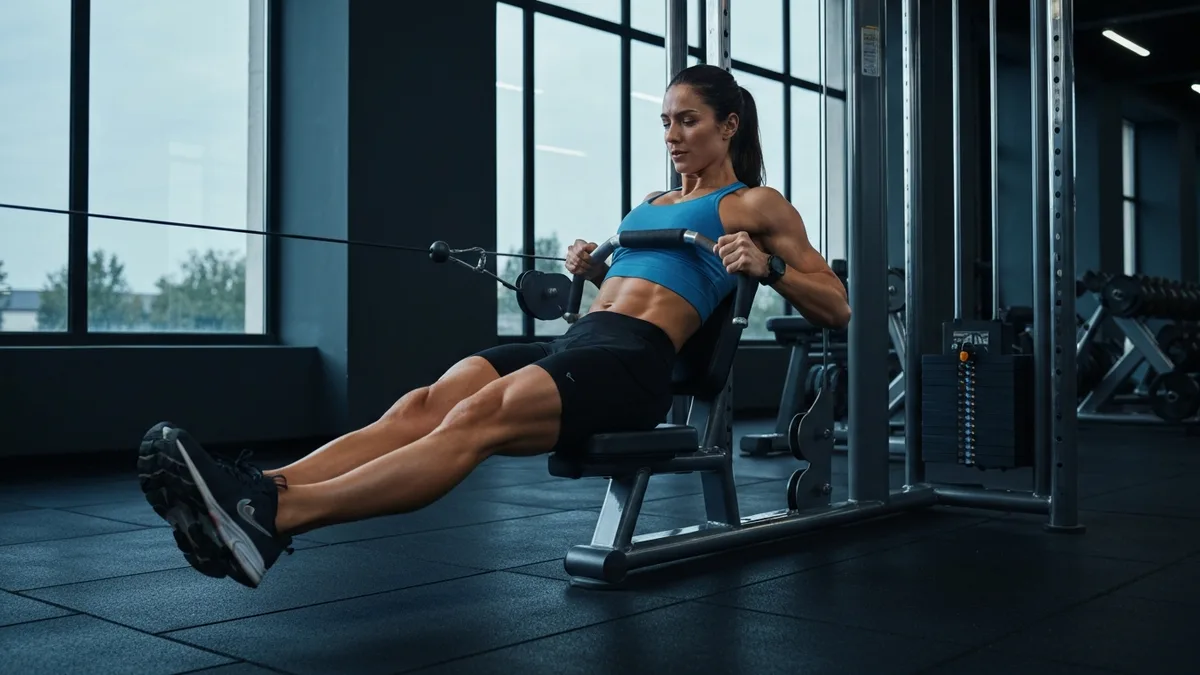
Unilateral cable rows allow you to load each side independently, addressing the strength asymmetry that bilateral rows cannot. Use a D-handle attachment and focus on controlled scapular retraction without trunk rotation.
The anti-rotation demand during single-arm rows is itself beneficial — resisting the cable's rotational pull trains the obliques and deep stabilizers in a way that directly supports the scoliotic spine.
Start with the weaker side first. If there is a noticeable strength difference, perform an extra set on the weak side until the imbalance closes.
Cat-Cow (Segmental Mobility)
The cat-cow teaches controlled spinal flexion and extension through each vertebral segment. For scoliosis, the value is proprioceptive — learning to feel and control individual spinal segments that may have lost normal movement quality due to the curve.
Move slowly through each phase, taking 5-6 seconds for the full flexion arc and 5-6 seconds for extension. Focus on the thoracic region where most scoliotic curves are centered.
Pallof Press (Anti-Rotation)
The Pallof press trains the core to resist rotational forces — exactly the stability demand that a scoliotic spine needs. Stand perpendicular to a cable column, press the handle away from your chest, and hold against the rotational pull for 5-8 seconds.
This exercise builds the rotational stiffness that protects the spine during daily activities and loaded training. It belongs in every scoliosis training program.
Modified Back Extension
Back extensions are safe for most scoliosis presentations when performed with a controlled range of motion. Avoid hyperextension at the top — rise only to a neutral spine position. The isometric hold at the top is more valuable than the full range for scoliosis purposes, as it trains the erectors to hold a corrected position.
Exercises to Approach Carefully
These movements are not categorically unsafe, but they require assessment and often modification:
| Exercise | Concern | Modification |
|---|---|---|
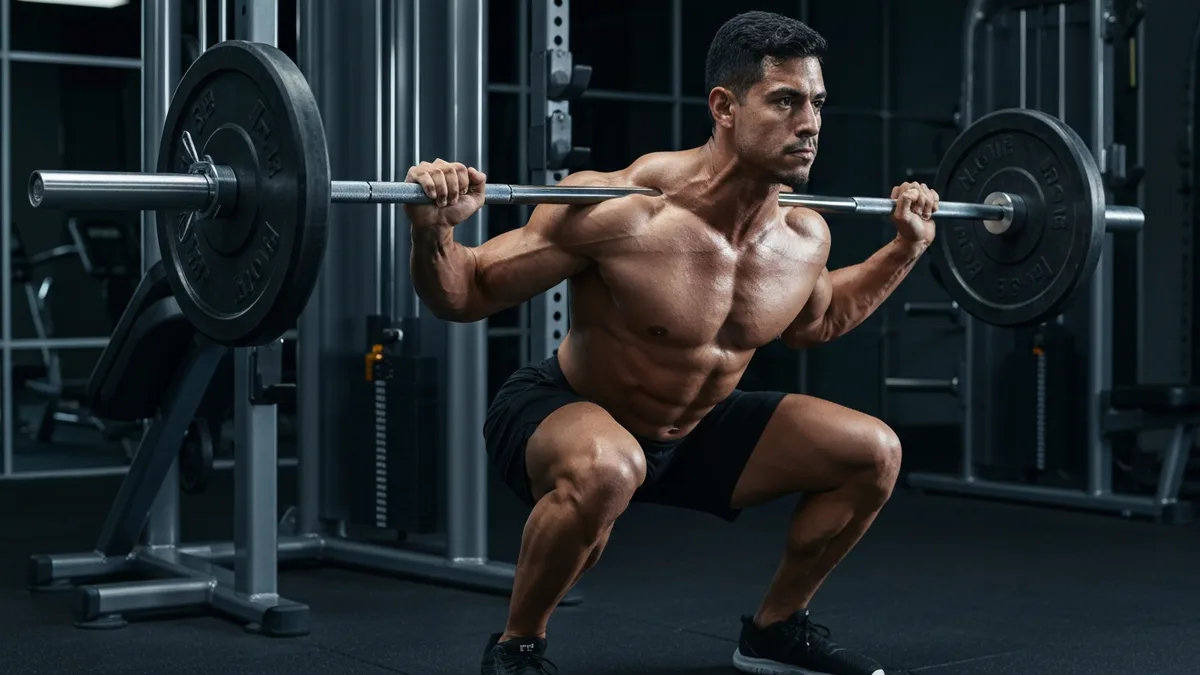
| Back squat | Axial compression on asymmetric spine | Use goblet squats or leg press; if barbell squatting, keep loads moderate |
| Heavy deadlift | High spinal compression at lumbar level | Use hex bar or lighter RDLs; emphasize form over load |
| Barbell overhead press | Compression + lateral shear on curved spine | Use dumbbells to allow independent arm paths |
| Loaded spinal rotation | Torsional stress on already-rotated vertebrae | Use anti-rotation exercises (Pallof press) instead |
The theme across these modifications is the same: reduce bilateral axial loading, increase unilateral control, and prioritize stability over maximal strength.
Schroth Method and SEAS Approach
The Schroth method and the Scientific Exercise Approach to Scoliosis (SEAS) are the two most evidence-supported exercise systems for scoliosis management. Both emphasize conscious postural correction during exercise — actively working to reduce the curve while performing movements, rather than simply exercising around it.
These systems require trained practitioners for proper assessment and programming. If your scoliosis is significant (Cobb angle above 20 degrees), working with a Schroth-certified physical therapist alongside your gym training produces the best outcomes.
Building a Scoliosis-Safe Program
A practical weekly structure:
Every session (warm-up): Bird dogs (3x8 per side), cat-cow (2x10), side plank on convex side (2x20-30 seconds).
2-3 times per week: Single-arm cable rows (3x10-12 per side), Pallof press (3x8-10 per side), modified back extensions (2x12-15).
As tolerated: Light bilateral compounds (cable rows, lat pulldowns) with moderate loads and attention to symmetry.
Progress load slowly and monitor for pain or increased asymmetry. If any exercise consistently produces discomfort on one side, regress to a lighter load or a more stable variation. For stretching to complement this program, mid-back stretches and decompression work help maintain mobility around the curve.