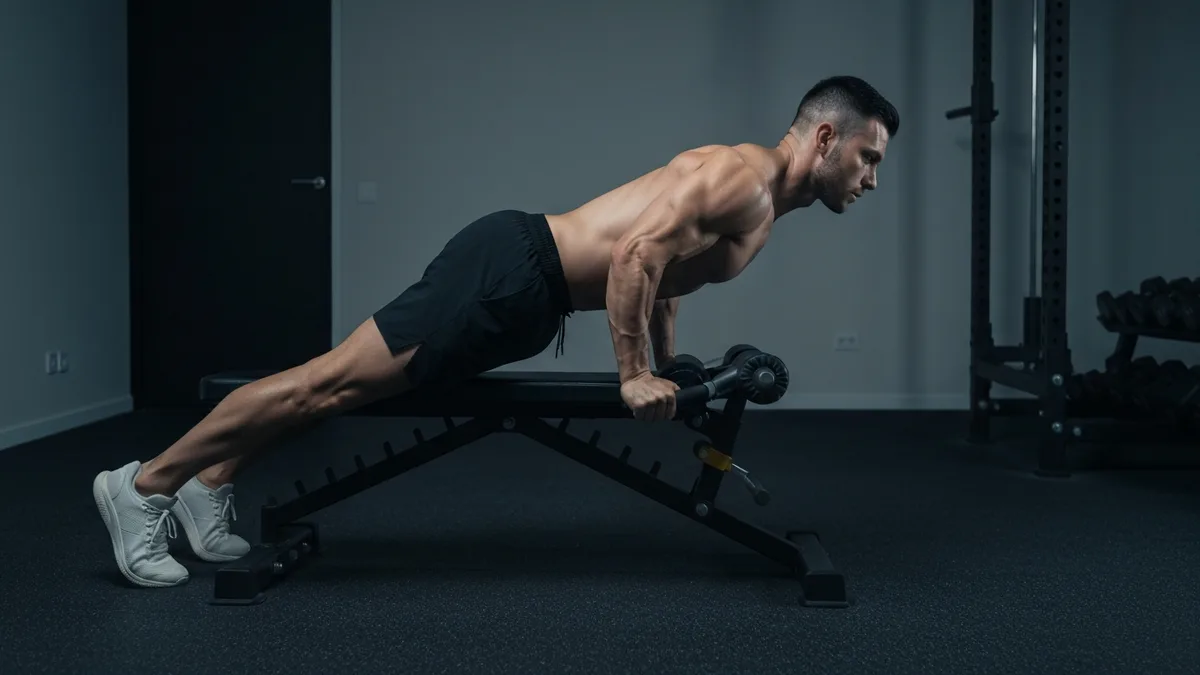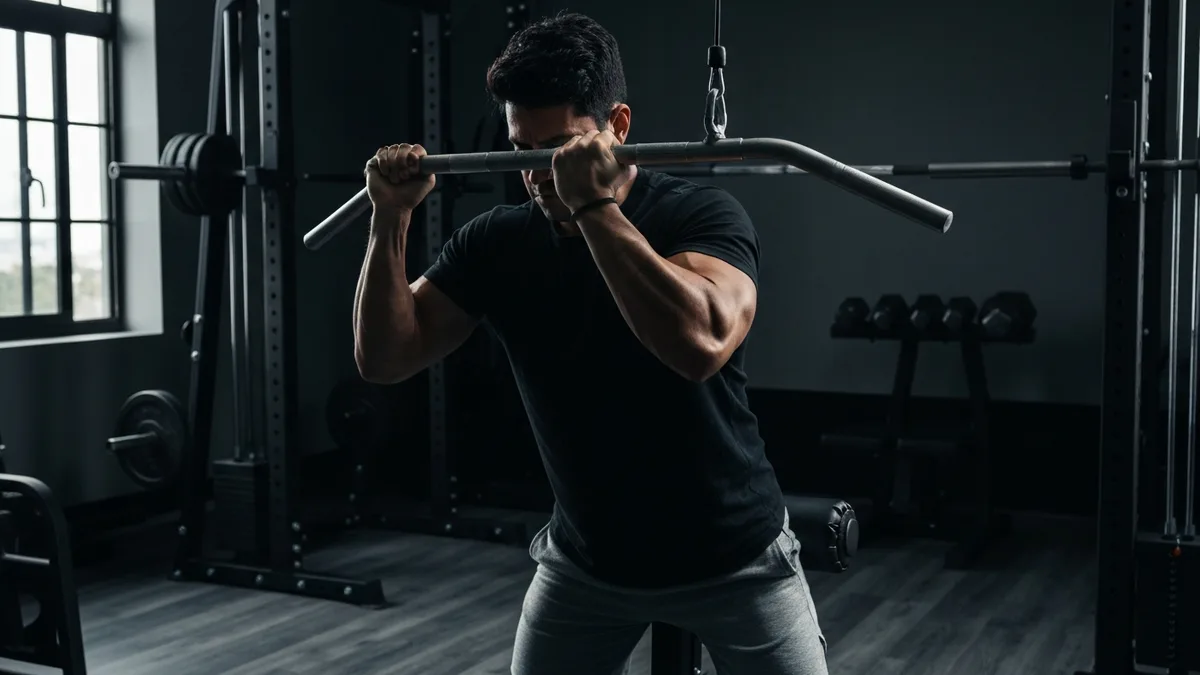
The best lat pulldown machine for a home gym depends on your space, budget, and whether you already own weight plates. Plate-loaded pulldown machines cost $200-600 and use the Olympic plates you may already have. Weight stack machines cost $500-1500 but offer smoother operation and faster weight changes. Wall-mounted pulldowns save floor space but require structural mounting. For most home gym owners, a plate-loaded pulldown with a high and low pulley provides the best combination of versatility and value.
Why a Lat Pulldown Machine Matters
The lat pulldown fills a gap that no other home gym equipment covers: adjustable-resistance vertical pulling. Pull-ups are excellent, but they are limited to bodyweight (or bodyweight plus added load), and many lifters cannot perform enough reps to train in the hypertrophy range. The pulldown machine allows you to set the resistance to any level — from rehabilitation-light to heavier-than-bodyweight.
Beyond the pulldown itself, a machine with both high and low pulleys opens up seated cable rows, face pulls, straight-arm pulldowns, cable curls, and triceps pressdowns — making it the most versatile single machine in most home gyms.
Types of Home Pulldown Machines
Plate-Loaded Pulldown
Uses standard or Olympic weight plates loaded onto a post. The cable runs through a pulley system to create the resistance. These are the most common home gym option because they cost less and use equipment most lifters already own.
Advantages: Lower cost ($200-600), compact footprint, unlimited weight capacity (limited only by the plates you own), often includes both high and low pulley positions.
Disadvantages: Requires loading and unloading plates between exercises and sets, slightly less smooth cable travel than weight stack models, pulley friction can reduce effective resistance.
Weight Stack Pulldown
Uses a built-in stack of rectangular weight plates with a pin-selection mechanism. Change resistance by moving a pin — no loading plates required.
Advantages: Fastest weight changes (essential for drop sets and supersets), smoother cable travel, more consistent resistance curve, professional gym feel.
Disadvantages: Higher cost ($500-1500), larger footprint, weight stack is fixed (typically 150-200 lbs maximum, which may limit advanced lifters), heavier and harder to move.
Wall-Mounted Pulldown
Mounts directly to a structural wall or stud, with the pulley system attached at ceiling height. The smallest footprint option because there is no freestanding frame.
Advantages: Minimal floor space, can be installed in garages or basements where a full machine would not fit, relatively affordable ($150-400).
Disadvantages: Requires structural mounting (must be into studs or concrete, not drywall alone), limited to a single pulley position (usually high only), lower weight capacity than freestanding machines, installation requires tools and confidence.
Power Rack Attachment
A pulley system that bolts onto an existing power rack. If you already own a rack, this is often the most space-efficient and cost-effective path to a pulldown station.
Advantages: Uses existing equipment, no additional floor space, typically $100-300, integrates with your current training setup.
Disadvantages: Quality varies dramatically — cheap attachments have excessive cable friction and poor pulley alignment. Only works with compatible rack brands/sizes. May limit use of the rack for squats while the pulldown is in use.
What to Look for Before Buying
Weight capacity. Ensure the machine supports the loads you will eventually need. A 200 lb weight stack or plate capacity is sufficient for most lifters. Advanced lifters pulling 250+ lbs need to verify the cable, pulley, and frame ratings can handle it.
Cable quality. Steel cables should be aircraft-grade rated. The cable path through the pulleys should be smooth with minimal friction. Test by pulling the cable slowly — any catching, jerking, or grinding indicates poor pulley alignment or cheap bushings.
Pulley positions. A machine with both high and low pulleys doubles your exercise options. High pulley for pulldowns, face pulls, and triceps work. Low pulley for cable rows, curls, and upright rows.
Seat and thigh pad. The thigh pad should adjust to hold you firmly in place during heavy pulldowns. Without adequate thigh restraint, your body lifts off the seat during heavy reps, reducing effectiveness and increasing injury risk. Test the adjustment range against your leg size.
Ceiling height. Measure your ceiling before ordering. Most pulldown machines require 7-8 feet of clearance. Low-ceiling garages (under 7 feet) need a machine specifically designed for low ceilings or a wall-mounted option.
Essential Attachments
The machine is only as versatile as the attachments you pair with it. The following three cover the vast majority of back exercises:
Wide lat bar: The standard pulldown bar. Allows wide, shoulder-width, and narrow overhand grips. This is the default attachment that ships with most machines — verify quality before relying on the included bar.
V-handle or narrow neutral grip: For close-grip pulldowns and cable rows. Shifts emphasis toward the lower lats and allows heavier loading than wide grip variations.
Straight bar or EZ-curl bar: For straight-arm pulldowns (direct lat isolation), bicep curls, and triceps pressdowns. Turns the pulldown machine into a general cable station.
For a complete guide to attachment options and which muscles each targets, see our lat pulldown bars and attachments guide and cable row attachments guide.
Budget Ranges
| Budget | Best Option | What You Get |
|---|---|---|
| Under $200 | Power rack pulley attachment | Basic high/low pulley, uses existing rack and plates |
| $200-400 | Plate-loaded pulldown (high pulley only) | Dedicated pulldown station, single pulley |
| $400-700 | Plate-loaded pulldown (high + low pulley) | Full cable station, both pull directions |
| $700-1500 | Weight stack lat pulldown | Pin-select convenience, smooth operation, professional feel |
For how the pulldown fits into a complete home gym setup, see our back workout equipment guide. For the exercises you will perform on it, our lat pulldown form guide covers technique for every grip variation.