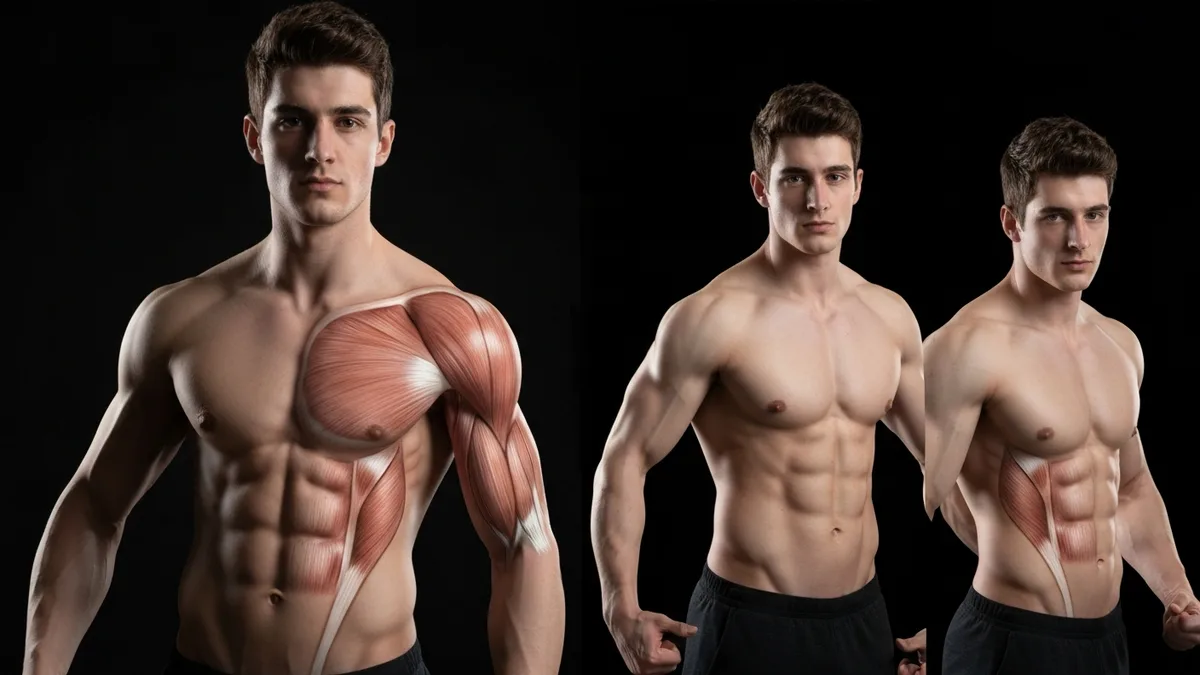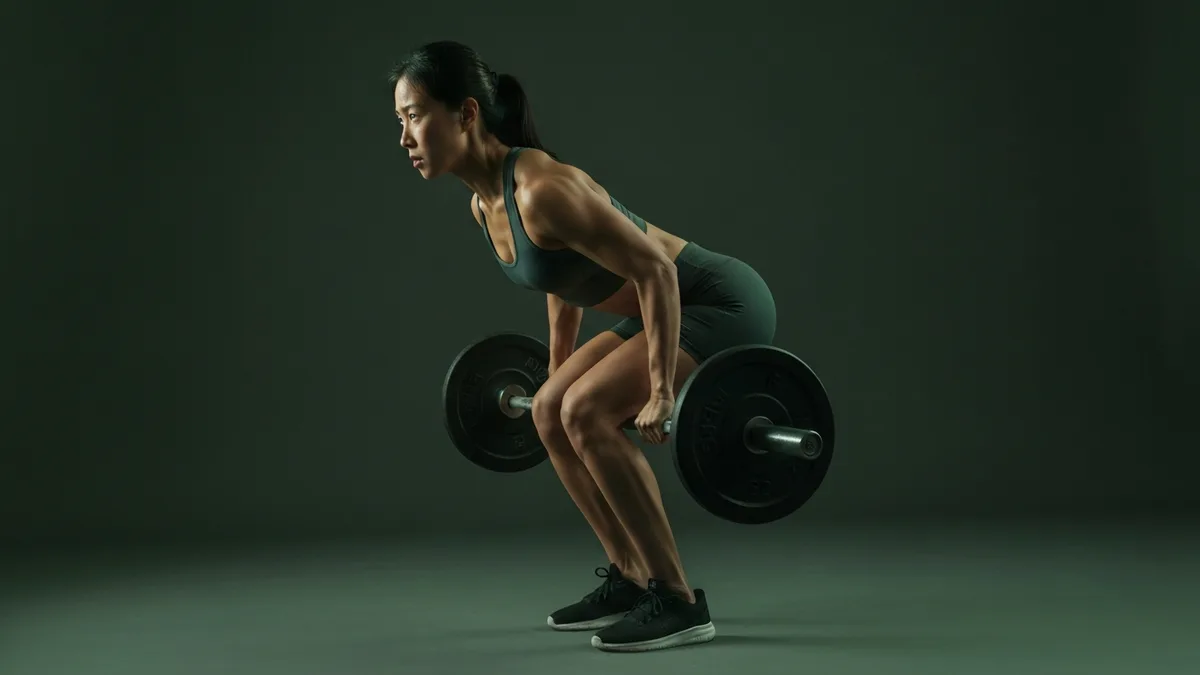
The lower back is stabilized by three primary muscle groups: the erector spinae (the main extensors), the multifidus (segmental stabilizers), and the quadratus lumborum (lateral stabilizers). These muscles work together with the deep abdominal wall to create a muscular corset around the lumbar spine. When any part of this system is weak or fatigued, the lower back becomes vulnerable to strain, disc issues, and chronic pain.
The Three Muscle Groups
Erector Spinae
The erector spinae is the most prominent lower back muscle group. Its three columns — iliocostalis, longissimus, and spinalis — run parallel to the spine and produce spinal extension. In the lumbar region, the erectors are thick and powerful, generating the force needed to lift heavy loads off the ground and maintain an upright torso during squats, rows, and carries.
The lumbar erectors bear the highest compressive loads of any spinal segment. During a heavy deadlift, the erectors at L4-L5 experience forces several times bodyweight. This is why progressive strengthening — not avoidance — is the best long-term strategy for lower back health.
Multifidus
The multifidus is a deep muscle that spans 2-4 vertebral segments at each level. Unlike the erector spinae, it does not produce large movements. Instead, it provides fine-tuned segmental stability — controlling small shifts between individual vertebrae during loaded movement.
Multifidus atrophy is one of the most consistent findings in people with chronic lower back pain. Research shows that after a single episode of acute back pain, the multifidus on the affected side can atrophy within days and may not recover spontaneously without targeted rehabilitation. This atrophy-pain cycle is a major reason why lower back pain tends to recur.
The multifidus responds best to low-load, controlled exercises: bird dogs, dead bugs, and quadruped arm and leg lifts. Heavy compound movements do not adequately train the multifidus because the erector spinae dominates force production at high loads.
Quadratus Lumborum
The quadratus lumborum (QL) connects the iliac crest to the 12th rib and the transverse processes of L1-L4. It performs lateral flexion (side bending), hip hiking, and assists with spinal extension. The QL is heavily involved in stabilizing the pelvis during single-leg movements like walking, lunging, and unilateral carries.
QL tightness or trigger points are a frequently overlooked cause of lower back pain, often misattributed to the erector spinae. QL pain typically presents as deep, one-sided lower back pain that worsens with prolonged sitting and side bending. It responds well to targeted stretching (side-lying stretches, child's pose variations) and direct pressure with a lacrosse ball.
The Abdominal Connection
The lower back muscles do not work alone. The transverse abdominis (the deepest abdominal muscle) wraps around the torso like a natural weight belt, increasing intra-abdominal pressure to support the spine from the front. The internal obliques assist with this pressurization.
This is why core training matters for lower back health — not crunches or sit-ups, but exercises that train the deep abdominal wall to brace under load. Planks, pallof presses, and loaded carries all develop this bracing capacity. A strong anterior core reduces the demand on the posterior lower back muscles during every compound lift.
Best Strengthening Exercises
| Exercise | Primary Target | Load Level | Best For |
|---|---|---|---|
| Back extensions | Erector spinae | Low to moderate | Direct strengthening, rehab |
| Bird dogs | Multifidus, erectors | Bodyweight | Segmental stability, rehab |
| Dead bugs | Multifidus, transverse abdominis | Bodyweight | Core-back coordination |
| Romanian deadlifts | Erector spinae, glutes | Moderate to heavy | Posterior chain strength |
| Side planks | Quadratus lumborum, obliques | Bodyweight | Lateral stability |
| Farmer carries | All lower back muscles | Heavy | Integrated stability under load |
| McGill curl-ups | Rectus abdominis (sparing spine) | Bodyweight | Anterior bracing without flexion load |
For people recovering from lower back pain, the McGill Big Three (bird dogs, side planks, curl-ups) is the most evidence-supported starting protocol. These exercises build endurance in all three lower back muscle groups without imposing high compressive forces on the lumbar discs.
Common Strengthening Mistakes
Loading too heavy, too soon. The lower back muscles need progressive adaptation just like any other muscle group. Jumping into heavy deadlifts without first building a foundation of back extension endurance is the most common path to a pulled back muscle.
Neglecting endurance. Research consistently shows that lower back endurance — not maximum strength — is the best predictor of spinal resilience. Sets of 15-20 reps on back extensions build the fatigue resistance that protects you during long training sessions.
Ignoring the multifidus. Heavy compound lifts alone do not adequately train the deep stabilizers. Adding 2-3 sets of bird dogs or dead bugs to your warm-up takes 3 minutes and addresses the most common weakness pattern in people with recurring back pain.
Skipping lateral work. The quadratus lumborum and obliques provide lateral stability that heavy bilateral lifts do not train. Side planks, suitcase carries, and single-leg Romanian deadlifts fill this gap.
Programming for Lower Back Health
A sustainable lower back program balances direct strengthening, stability work, and compound loading:
Every session: 2-3 sets of bird dogs or dead bugs during warm-up (takes under 3 minutes).
Twice per week: 2-3 sets of back extensions (bodyweight to lightly weighted, 12-20 reps). A back extension bench is one of the best investments for a home gym focused on spinal health.
Weekly: 1-2 sessions including compound hip-hinge movements (deadlifts, barbell good mornings, Romanian deadlifts) at appropriate loads.
For people dealing with active lower back pain, see our guides on back spasms, pulled back muscles, and lower back pain after deadlifts. For equipment recommendations, our exercise equipment for lower back pain guide covers the best options for home-based rehabilitation.
For decompression stretches and mobility work to complement your strengthening program, see our stretches silo.