The rhomboid muscles sit beneath the trapezius, connecting the medial border of the scapula to the thoracic spine. Rhomboid major is the larger muscle, while rhomboid minor sits just above it. Together, they retract and downwardly rotate the scapulae. When these muscles are weak or strained, you feel a deep ache between the shoulder blades that worsens with prolonged sitting.
Anatomy and Attachments
Rhomboid minor originates from the nuchal ligament and the spinous processes of C7-T1. It inserts into the medial scapular border at the level of the scapular spine. Rhomboid major originates from the spinous processes of T2-T5 and inserts into the medial scapular border below the scapular spine.
Both muscles sit deep to the trapezius and superficial to the erector spinae. The rhomboids are innervated by the dorsal scapular nerve (C5), which also supplies the levator scapulae. Compression of this nerve can cause both rhomboid pain and referred pain along the medial scapular border.
Despite being relatively small muscles compared to the lats or traps, the rhomboids are essential for scapular stability. Without adequate rhomboid strength, the scapulae drift laterally and anteriorly, destabilizing the shoulder joint and reducing force transfer during every pulling movement.
Function
The rhomboids perform two primary actions:
Scapular retraction — pulling the shoulder blades together toward the spine. This is their most important function and the movement that fires them hardest during training. Every rowing movement depends on rhomboid activation for the final squeeze at end range.
Scapular downward rotation — rotating the glenoid fossa downward. This action opposes the upward rotation produced by the lower trapezius and serratus anterior, and helps stabilize the scapula during arm movements below shoulder height.
The rhomboids also play a stabilization role during any loaded carry or pressing movement, anchoring the scapula against the ribcage to provide a stable platform for the shoulder joint. This stabilization demand is why rhomboid fatigue often develops during high-volume bench press sessions, even though the bench press is not a back exercise.
Rhomboid Pain: Causes and Patterns
Rhomboid pain typically presents as a dull ache or burning sensation between the shoulder blades. It worsens with prolonged sitting, overhead reaching, and sometimes deep breathing since the rhomboids attach near the ribs.
Common causes include:
- Sustained poor posture with protracted (rounded) shoulders — the single most common cause
- Repetitive reaching or rowing at high volumes without adequate recovery
- Sudden strain from heavy lifting with poor scapular control
- Sleeping positions that stretch or compress the rhomboid area
- Weakness allowing the trapezius to compensate during pulling movements
Rhomboid muscle strain is more acute — a sharp pain during a specific movement, followed by localized tenderness and pain during scapular retraction. Grade 1 strains (minor fiber disruption) typically heal within 1-2 weeks. Grade 2 strains (partial tear) can take 4-6 weeks. True grade 3 tears are rare in the rhomboids.
Chronic rhomboid tension can lead to muscle knots that refer pain along the medial scapular border and sometimes into the chest wall. These knots respond to direct pressure with a lacrosse ball against a wall — position the ball on the tender spot, lean in with moderate pressure, and hold for 60-90 seconds.
If rhomboid pain radiates down the arm, produces tingling sensations, or does not improve with conservative treatment within 4 weeks, evaluation by a healthcare professional is warranted to rule out nerve involvement.
Best Exercises for Rhomboids
The rhomboids respond best to horizontal pulling with a deliberate end-range contraction. The squeeze at the back of the movement is where rhomboid activation peaks — rushing through the concentric phase significantly reduces their contribution.
Seated cable rows — cable rows with a 2-second hold at full retraction are the most effective rhomboid builder. Use a moderate weight that allows you to squeeze the shoulder blades fully together without shrugging. The choice of cable row attachment affects grip width and the available range of scapular motion.
Band pull-aparts — high-rep band work (15-25 reps) at the end of sessions builds rhomboid endurance, which directly transfers to better sustained posture throughout the day. This is the single most time-efficient corrective exercise for desk workers.
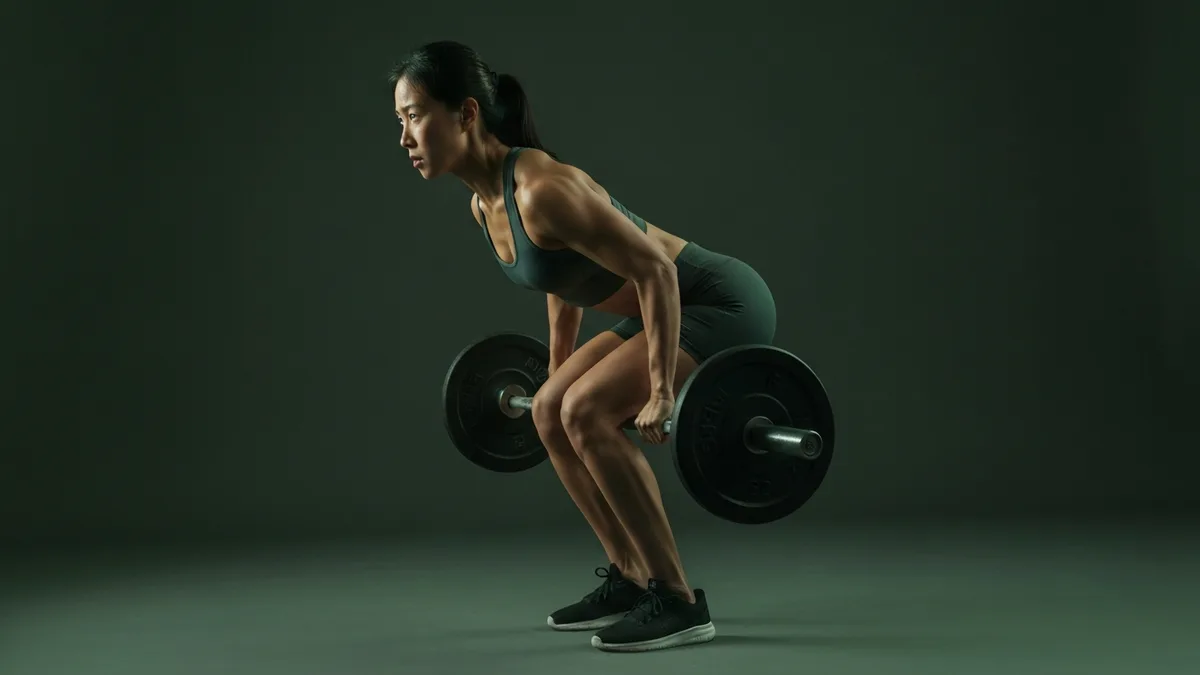
Barbell rows — barbell rows hit the rhomboids alongside the lats and mid-traps. Wider grips increase the scapular retraction range and shift emphasis toward the rhomboids. The barbell row vs dumbbell row comparison is relevant here — dumbbell rows allow a slightly greater range of scapular motion.
Face pulls — targets the rhomboids, lower traps, and external rotators simultaneously. An excellent corrective exercise that addresses multiple upper-back weaknesses in a single movement.
Prone scapular squeezes — lying face down and squeezing the shoulder blades together against gravity isolates the rhomboids with minimal lat involvement. Holding each rep for 5 seconds builds isometric endurance.
Strengthening for Pain Prevention
Weak rhomboids are one of the primary contributors to poor posture and upper back pain. Strengthening them helps counteract the forward pull of the chest and anterior deltoids that results from daily activities like typing, driving, and phone use.
A simple daily protocol that takes under 3 minutes: 3 sets of 15 band pull-aparts. Perform them between tasks at your desk, before workouts as activation, or at the end of training sessions. This builds meaningful rhomboid endurance over 4-6 weeks and most people report noticeable postural improvements within the first month.
Combined with mid-back stretches and conscious attention to sitting posture, this addresses the root cause of most rhomboid pain rather than just managing symptoms.
For a complete upper back training program that covers the rhomboids alongside the traps and rear delts, see our upper back muscles guide. If you experience persistent rhomboid pain, our rhomboid pain article covers sleep positions and detailed recovery protocols.