Poor posture results from a predictable pattern of back muscle weakness: the thoracic erectors lack the endurance to maintain spinal extension, the rhomboids and lower trapezius cannot hold the shoulder blades in their retracted position, and the tight pectorals and upper traps pull the structure forward faster than the weakened posterior muscles can resist. The result is the rounded-shoulder, forward-head posture that produces mid-back pain, neck and trap pain, and chronic trigger points.
The Postural Imbalance Pattern
Posture is a balance of forces. The posterior muscles (back extensors, scapular retractors) pull the body into an upright position. The anterior muscles (pectorals, anterior deltoids, hip flexors) pull it forward. Gravity adds a constant forward-flexion force. When the posterior muscles are weaker or less enduring than the anterior pull plus gravity, the body rounds forward.
This is not a momentary failure — it is a progressive one. The posterior muscles can hold good posture for some duration (usually 20-45 minutes in deconditioned individuals), then they fatigue and the spine gradually rounds. The rounded position stretches the posterior muscles into a lengthened state where they are mechanically weaker, creating a downward spiral: fatigue leads to rounding, rounding makes the muscles weaker, weakness leads to faster fatigue.
The Muscles That Fail
Thoracic Erectors
The erector spinae in the thoracic region (T1-T12) maintain the natural thoracic curve against gravity and forward-loading activities. When these muscles lack endurance, the thoracic spine flexes progressively throughout the day — producing the visible rounding and the deep aching between the shoulder blades that characterizes mid-back pain.
The fix: Back extensions and isometric holds build the sustained contraction capacity that prevents thoracic flexion fatigue. Aim for sets of 15-20+ reps (endurance training) rather than heavy low-rep work.
Lower Trapezius and Rhomboids
The lower trapezius depresses and retracts the scapulae (pulling the shoulder blades down and together). The rhomboids retract the scapulae against the spine. Together, they hold the shoulder blades in the position that supports an upright upper body. When these muscles fatigue, the shoulder blades drift forward and upward (protraction and elevation), producing the rounded-shoulder appearance.
The fix: Reverse flies, face pulls, and band pull-aparts at high reps (15-25) build the scapular retractor endurance that holds the shoulder blades in position through a full work day. Wide-grip cable rows with a 2-second squeeze at peak retraction train the same muscles under higher loads.
Deep Cervical Flexors
The deep muscles at the front of the neck hold the head in a neutral position over the shoulders. When these weaken, the head drifts forward (anterior head carriage), adding approximately 10 lbs of effective head weight for every inch of forward displacement. This overloads the upper trapezius and levator scapulae, producing the neck and headache pain pattern common in desk workers.
The fix: Chin tucks (retract the chin straight back, creating a double chin position, hold 5-10 seconds, repeat 10-15 times). This exercise specifically targets the deep cervical flexors that anterior head carriage weakens.
The Muscles That Tighten
The postural imbalance has two sides: weak posterior muscles and tight anterior muscles. Stretching the tight side reduces the force the weak side must overcome.
Pectorals: Tight pectorals pull the shoulders forward into internal rotation. Doorway stretches (forearms on the frame, lean forward) held for 30 seconds, 2-3 times daily, restore pectoral length.
Upper trapezius: The upper trap elevates and rotates the scapula upward. When chronically tight (from the shrugged position during stress and desk work), it pulls the shoulders toward the ears and contributes to neck tension and headaches. Upper trap stretches (ear toward shoulder, hold 20-30 seconds) and self-massage provide relief.
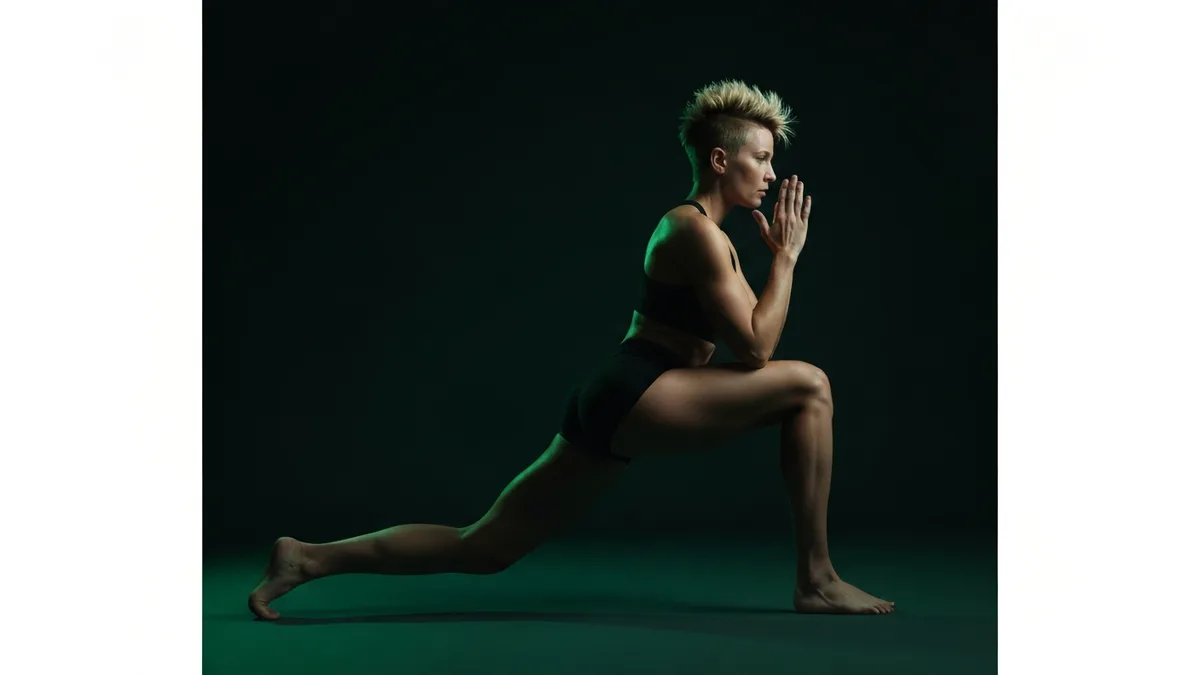
Hip flexors: Tight hip flexors tilt the pelvis anteriorly, increasing lumbar lordosis and placing the lower back in a compressed position. While not a back muscle, hip flexor tightness directly affects spinal posture and lower back pain. Half-kneeling hip flexor stretches held for 30-60 seconds address this component.
Sway Back Posture
Sway back posture is a specific postural pattern where the pelvis shifts forward relative to the feet, the thoracic spine rounds excessively, and the head juts forward. Unlike simple forward-rounded posture, sway back involves a global shift in the body’s center of mass that loads the passive ligaments rather than the active muscles. Correcting sway back requires retraining the standing position itself, not just strengthening individual muscles.
Corrective Program
| Component | Exercise | Sets/Reps | Frequency |
|---|---|---|---|
| Scapular endurance | Band pull-aparts | 3 x 20 | Daily |
| Thoracic extension | Foam roller extension | 2 min | Daily |
| Erector endurance | Back extensions | 3 x 15-20 | 3x/week |
| Cervical alignment | Chin tucks | 3 x 10 (10-sec holds) | Daily |
| Pectoral length | Doorway stretch | 3 x 30 sec | Daily |
| Hip flexor length | Half-kneeling stretch | 2 x 30 sec/side | Daily |
The daily components (pull-aparts, foam roller, chin tucks, stretches) take approximately 10 minutes. The 3x/week back extensions add 10 minutes to training sessions. Results typically appear within 3-4 weeks: reduced end-of-day pain, improved postural endurance (maintaining upright position for longer before fatigue), and measurable increases in thoracic extension range.
For the anatomy behind each muscle’s postural role, see our upper back muscles, rhomboid, and trapezius guides. For the stretching routines that address the tight anterior muscles, mid-back stretches and daily stretching benefits cover the protocols.