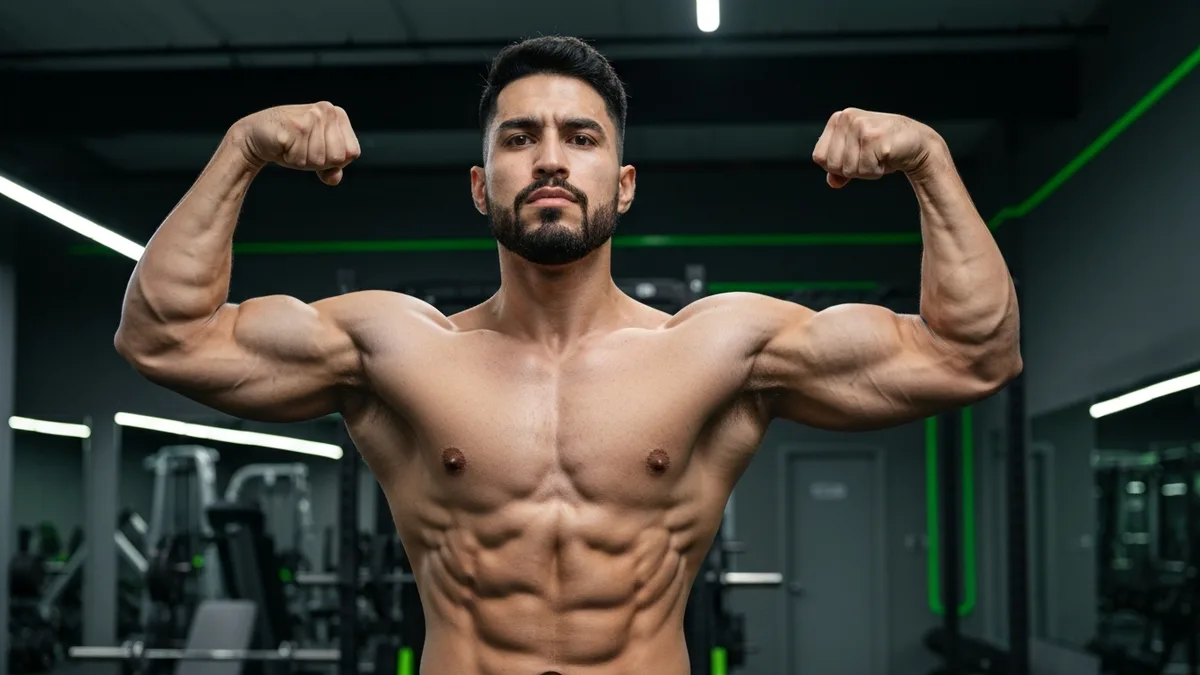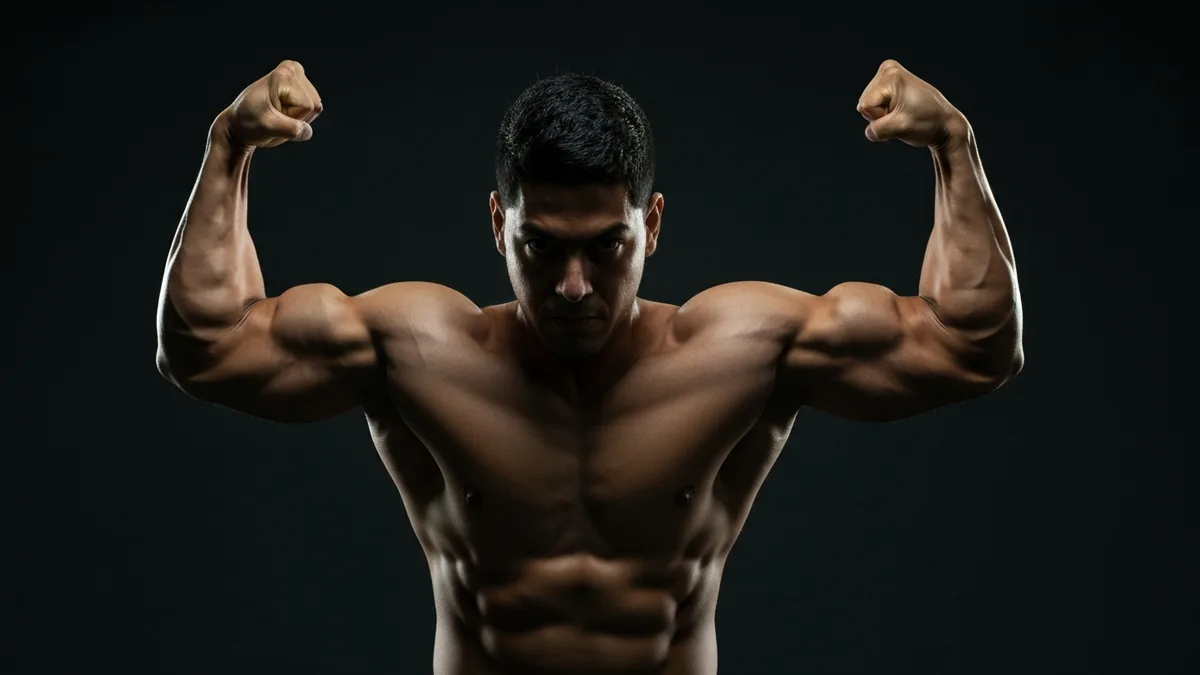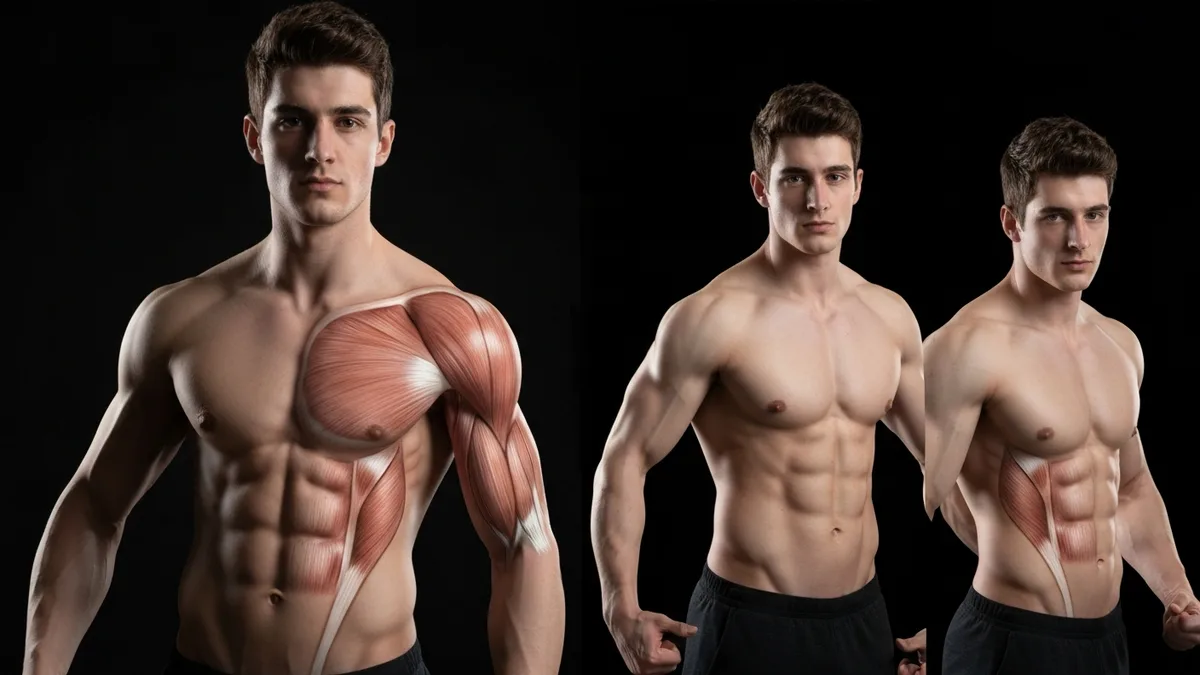
The trapezius is a large diamond-shaped muscle that spans from the skull to the mid-thoracic spine. It has three functional regions — upper, middle, and lower — each with different fiber orientations and actions. The upper traps elevate the scapulae, the middle traps retract them, and the lower traps depress and upwardly rotate them. Understanding these distinctions is key to both effective training and pain management.
Anatomy Overview
The trapezius originates from the external occipital protuberance (base of the skull), the nuchal ligament, and the spinous processes of C7-T12. It inserts into the lateral third of the clavicle, the acromion, and the spine of the scapula. This broad attachment gives it control over nearly every scapular movement.
The trapezius is the most superficial muscle of the upper back, sitting directly beneath the skin. It overlays the rhomboids, the erector spinae, and parts of the latissimus dorsi. Because of its large surface area and superficial position, it is one of the first muscles people notice when someone has a well-developed upper back.
Upper Trapezius
Fibers run downward from the skull and cervical spine to the lateral clavicle and acromion. The primary action is scapular elevation — the shrugging motion. The upper traps are the most commonly overactive region in the general population. They compensate when the lower and middle traps are weak, leading to the "shoulders up by the ears" posture seen in stressed desk workers.
Upper trap overactivity also contributes to cervicogenic headaches. The muscle refers pain to the temporal region and behind the eye, which is why trapezius muscle headaches are so common in people with chronic neck tension.
Middle Trapezius
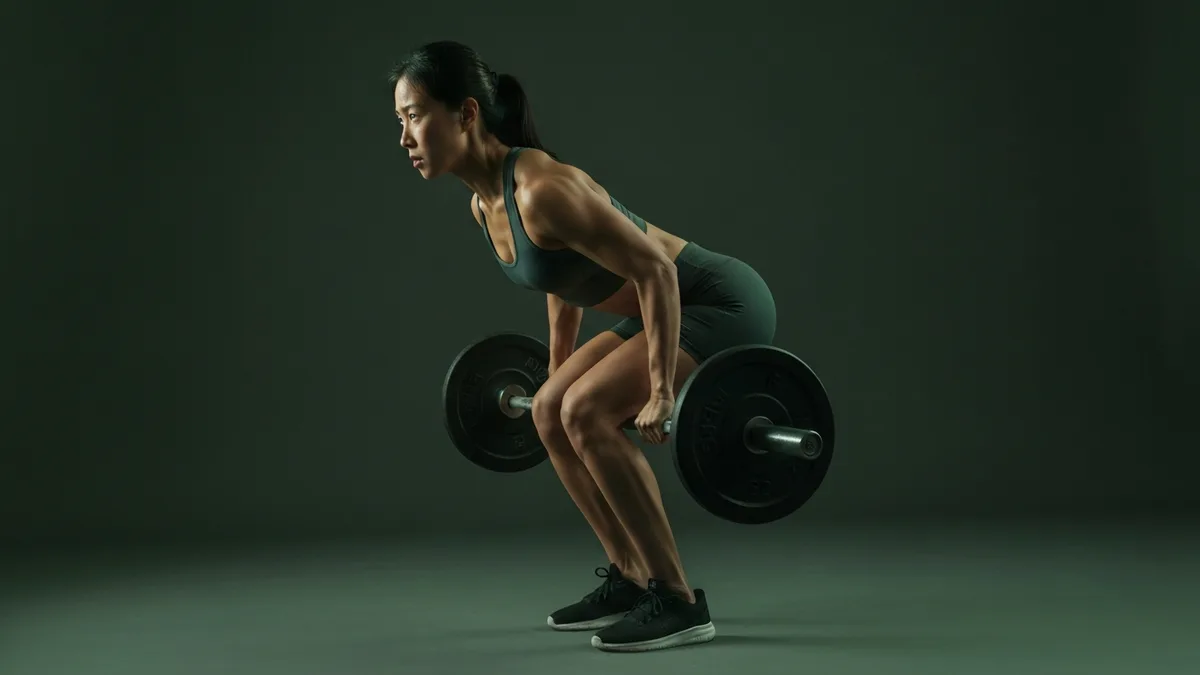
Fibers run horizontally from the upper thoracic spine to the acromion and scapular spine. The primary action is scapular retraction — pulling the shoulder blades together. This region fires hardest during horizontal rowing movements, especially cable rows and barbell rows performed with a deliberate squeeze at end range.
The middle traps work in concert with the rhomboids during scapular retraction. When both are weak, the scapulae protract excessively, contributing to rounded shoulders and poor posture.
Lower Trapezius
Fibers run upward from the mid-thoracic spine to the scapular spine. Primary actions are scapular depression and upward rotation. The lower traps are critical for overhead stability and are among the most commonly weak muscles in the general population.
Lower trap weakness is a contributing factor in shoulder impingement. Without adequate downward pull on the scapula, the acromion can compress the supraspinatus tendon during overhead movements. Reverse flies and prone Y-raises are effective isolation exercises for this region.
Trapezius and Posture
The trap plays a central role in posture. When the upper traps are overactive and the middle and lower traps are weak, the scapulae protract and elevate, creating rounded shoulders and forward head posture. This imbalance is almost universal in people who spend long hours at desks or on phones.
Correcting this requires strengthening the middle and lower traps while releasing tension in the upper traps. Face pulls, band pull-aparts, and reverse flies are the most effective exercises for this correction. The rhomboids should be trained alongside the middle traps since they share the scapular retraction function.
Postural correction through trap strengthening is a gradual process. Most people see meaningful improvements in shoulder position within 6-8 weeks of consistent training with 2-3 sets of corrective work per session, 3-4 times per week.
Trapezius Pain and Trigger Points
The upper trapezius is one of the most common sites for trigger points in the entire body. These knots typically form in the belly of the upper trap between the neck and shoulder, and they frequently refer pain upward into the temporal region, causing tension headaches.
Common patterns of trap pain include:
- Upper trap tension and headaches from desk work and stress
- Mid-trap burning between the shoulder blades from sustained poor posture
- Lower trap pain during overhead movements from weakness rather than overuse
- Muscle knots along the muscle belly that refer pain outward
Self-treatment for trap trigger points involves placing a lacrosse ball between the affected area and a wall, applying moderate pressure, and holding for 60-90 seconds until the tension releases. Heat application before the pressure work increases blood flow and improves results.
For persistent trap pain that does not respond to self-treatment, the underlying cause is almost always a strength imbalance rather than tightness alone. Strengthening the mid and lower traps reduces the compensatory overload on the upper traps that creates the trigger points in the first place.
Best Exercises by Region
| Region | Exercise | Key Cue |
|---|---|---|
| Upper traps | Barbell shrugs | Elevate straight up, hold 2 seconds at top |
| Upper traps | Farmer carries | Maintain scapular elevation under load |
| Middle traps | Wide-grip cable row | Squeeze shoulder blades together at contraction |
| Middle traps | Face pulls | External rotation at end range |
| Lower traps | Prone Y-raises | Arms at 120-degree angle, thumbs up |
| Lower traps | Reverse cable fly | Focus on scapular depression during the movement |
For bodyweight options, calisthenics back workouts can effectively target the middle and lower traps through movements like inverted rows and scapular pull-ups.
Training Recommendations
Most lifters get adequate upper trap stimulation from deadlifts, rows, and overhead pressing. Direct shrug work is optional for most goals unless upper trap size is a specific priority.
Middle and lower trap training should be prioritized, especially for anyone with postural issues or desk-bound work. Two to three sets of face pulls or band pull-aparts at the end of every upper body session is a sustainable, low-fatigue approach that produces real results.
For a comprehensive programming approach, our guides on exercise selection per workout and optimal weekly volume provide the framework. The traps are best trained as part of a broader upper back routine rather than in isolation.
If you are setting up a home gym, a set of resistance bands and a cable attachment are enough to cover all three trap regions effectively. See our back workout equipment guide for a full home setup breakdown.