The most effective back stretching equipment is a foam roller ($15-25) for thoracic mobilization and self-release, a lacrosse ball ($5-10) for trigger point work, and a pull-up bar ($20-40) for hanging spinal decompression. These three tools, totaling $40-75, cover more stretching and mobility functions than any single specialized device. Arch-shaped back stretchers and inversion tables provide temporary relief but lack evidence for lasting benefit without accompanying strengthening.
Evidence-Based Equipment
Foam Roller ($15-25)
The most versatile and best-supported piece of back stretching equipment. A standard 6-inch diameter, 36-inch long foam roller enables thoracic spine extension (lying lengthwise along the roller with arms open), thoracic mobilization (rolling perpendicular to the spine through the upper back), and broad muscle knot release across the entire back.
Density recommendation: Medium density (usually white or blue) for beginners and general use. High density (black) for experienced users who need more pressure. Extra-firm rumble rollers with textured surfaces provide even deeper tissue work but can be too aggressive for people with acute back pain.
Research supports foam rolling for temporary improvements in range of motion and reductions in muscle soreness. Combined with the strengthening exercises that produce lasting change, foam rolling accelerates recovery and maintains tissue quality between training sessions.
Lacrosse Ball / Massage Ball ($5-10)
For targeted trigger point release in specific muscles: erector spinae trigger points, lat trigger points, trapezius trigger points, and rhomboid knots. The small diameter allows precise pressure on individual trigger points that a foam roller is too broad to isolate.
Use against a wall (standing) for controlled pressure, or on the floor (lying on the ball) for deeper pressure. The wall method is better for beginners because you can control how much bodyweight you apply.
Pull-Up Bar for Dead Hangs ($20-40)
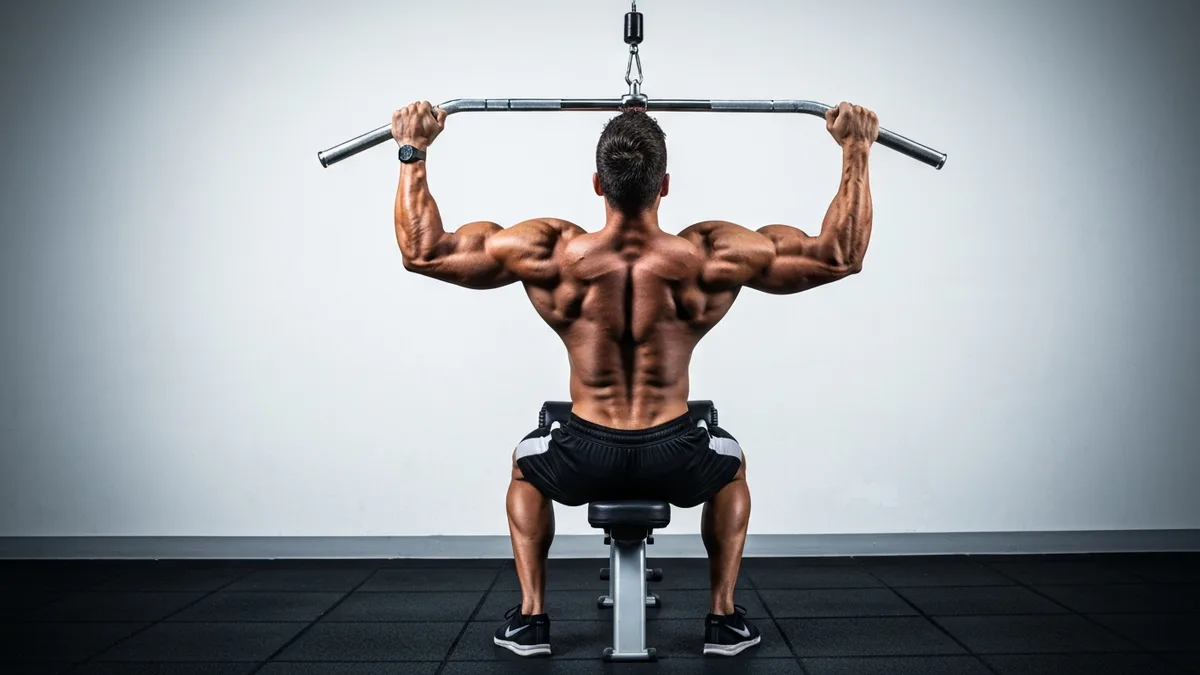
Hanging from a bar decompresses the lumbar and thoracic spine by allowing gravity to create gentle traction. A 30-60 second dead hang reduces disc compression and stretches the lats, erectors, and shoulder musculature simultaneously. This provides the same decompression benefit as an inversion table at a fraction of the cost, with the added benefit of enabling pull-ups and other exercises.
Yoga Strap / Stretch Strap ($8-15)
A non-elastic strap assists with stretches where flexibility limits the ability to reach. For back stretching specifically, a strap helps with seated forward folds (hamstring flexibility that affects lumbar range of motion), shoulder stretches (that affect thoracic posture), and hip stretches that address the glute-lower back connection.
Mixed-Evidence Equipment
Arch-Shaped Back Stretcher ($15-40)
A curved plastic or wooden device placed on the floor that you lie on to create passive thoracic extension. These are heavily marketed on social media and produce an immediate sensation of relief and "cracking" in the thoracic spine.
What it actually does: The same thing as lying lengthwise on a foam roller or draping yourself over a rolled-up towel. It passively extends the thoracic spine, mobilizing the segments that are stiffened from prolonged flexion (desk posture). The relief is real but temporary — the same mobilization can be achieved with a $15 foam roller or a free rolled towel.
Verdict: Not harmful, and it does provide temporary relief. However, it does not provide anything a foam roller cannot, and it cannot be used for the self-massage and trigger point work that the roller also enables. If you already own a foam roller, this is a redundant purchase.
Inversion Table ($150-300)
A padded table that tilts you upside down (or partially inverted) to decompress the spine through gravity. The mechanism is straightforward — inverting the body reverses the compressive force that gravity normally applies to the spinal discs.
What the evidence shows: Temporary pain reduction during and immediately after inversion. No evidence of lasting structural change or long-term pain reduction compared to exercise-based interventions. One study found that pre-surgical inversion therapy reduced the need for surgery in some patients, but this was combined with physical therapy, making it impossible to attribute the benefit to inversion alone.
Verdict: If the temporary relief feels worth $150-300 and you have the floor space (they are large when assembled), inversion tables are not harmful. However, a pull-up bar dead hang provides comparable decompression with far more additional utility and at a fifth of the cost.
Equipment to Skip
Vibrating back massagers and percussion guns for back pain treatment: These feel good and provide temporary relief through sensory override (the vibration "drowns out" the pain signal temporarily), but they do not address tissue quality, trigger points, or muscle endurance. They are comfort devices, not therapeutic tools. Save the $100-300 and invest in a foam roller + strengthening program.
TENS units for chronic back pain: Transcutaneous electrical nerve stimulation provides temporary pain relief through sensory modulation but does not treat the underlying cause. Appropriate as a comfort tool during acute episodes, not as a primary treatment strategy.
Magnetic or copper back braces: No evidence for any mechanism of action beyond the compressive support that any standard brace provides. The magnetic/copper components are marketing, not medicine.
Recommended Stretching Setup
| Item | Cost | Primary Use |
|---|---|---|
| Foam roller (medium density, 36") | $15-25 | Thoracic mobilization, broad tissue release |
| Lacrosse ball | $5-10 | Targeted trigger point release |
| Pull-up bar | $20-40 | Dead hang decompression + pull-ups |
| Yoga strap | $8-15 | Assisted stretching for limited flexibility |
Total: $48-90. This setup covers every evidence-based stretching and mobilization method for the back. For the stretching routines to perform with this equipment, see our lower back decompression stretches, mid-back stretches, and foam roller stretches for back guides.