Training chest and back on the same day works best through antagonist supersets — alternating a pushing exercise with a pulling exercise with minimal rest between the pair. This approach trains both muscle groups in the same time frame as a single-group session, maintains performance quality on both, and may enhance power output through reciprocal inhibition (the relaxation of one muscle group when its opposite contracts).
Why Chest and Back Pair Well
Chest (pectorals, anterior deltoids, triceps) and back (lats, rhomboids, traps, rear delts, biceps) are antagonist groups — they perform opposite joint actions. The chest pushes (shoulder flexion, horizontal adduction); the back pulls (shoulder extension, horizontal abduction). When one contracts maximally, the other must relax to allow the movement.
This antagonist relationship means that performing a set of bench press does not fatigue the muscles you need for a set of rows. In fact, research shows that alternating antagonist exercises can increase force production on the second exercise — likely through enhanced neural drive from the preceding contraction of the opposite muscle group.
Antagonist Superset Structure
The most effective structure pairs exercises of similar intensity and equipment demands:
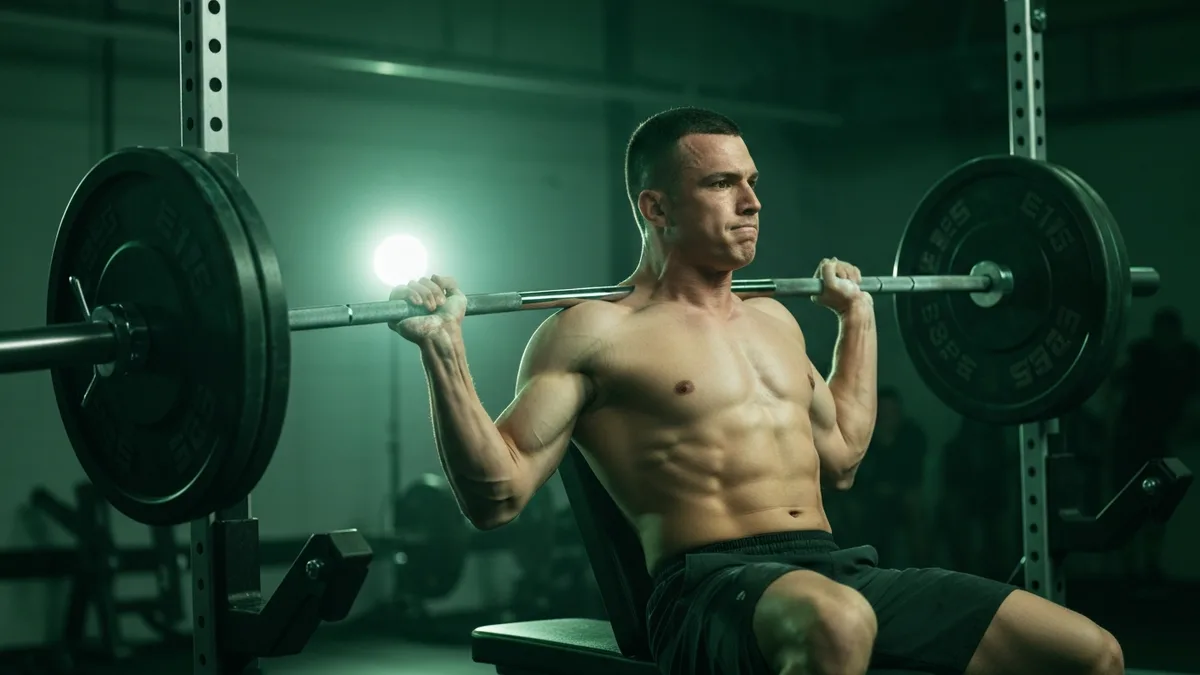
Pair 1 (Heavy compounds): Bench press → Barbell row. Rest 60-90 seconds between exercises, 2 minutes after the pair. 3-4 pairs of 6-8 reps each.
Pair 2 (Moderate compounds): Incline dumbbell press → Lat pulldown. Rest 60 seconds between exercises, 90 seconds after the pair. 3 pairs of 10-12 reps each.
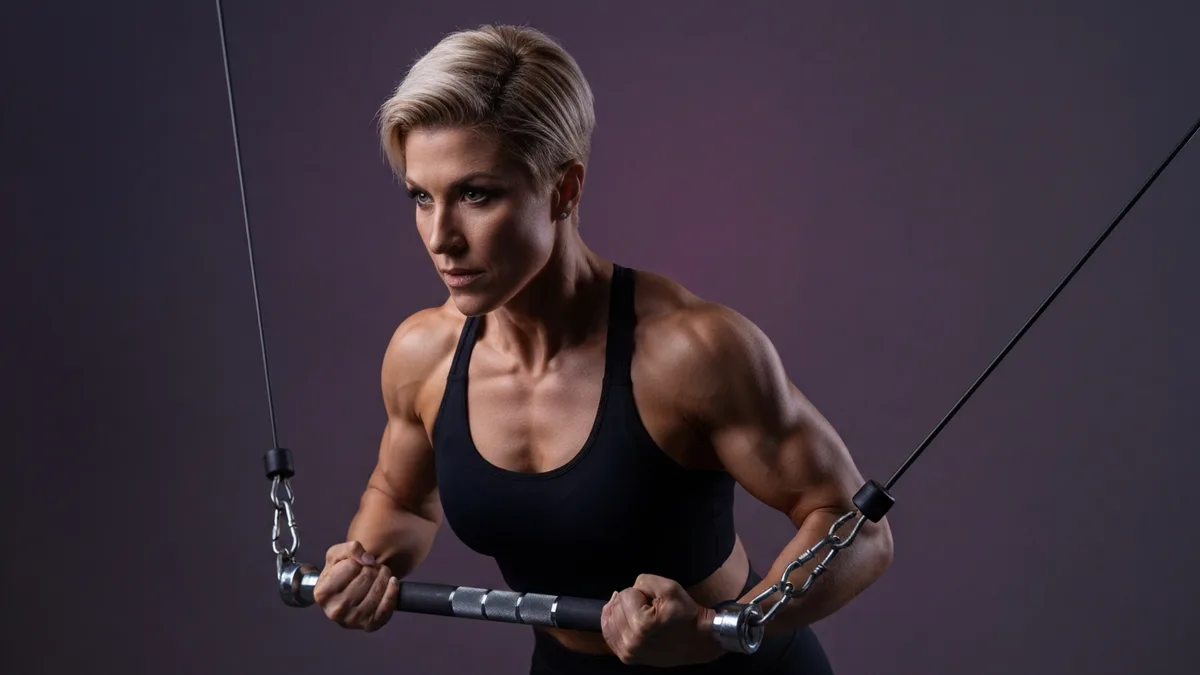
Pair 3 (Isolation): Cable fly → Reverse fly. Rest 45 seconds between exercises, 60 seconds after the pair. 3 pairs of 12-15 reps each.
Total: 9 pairs = 9 sets chest + 9 sets back in approximately 45-50 minutes. A traditional session of 9 sets for a single muscle group takes roughly 30-35 minutes with standard rest periods — so the superset approach adds both muscle groups for only 15 minutes of additional session time.
Exercise Pairing Guide
| Push Exercise | Pull Exercise | Why They Pair Well |
|---|---|---|
| Flat bench press | Barbell row | Both use a barbell; similar loading capacity; both are heavy compounds |
| Incline dumbbell press | Lat pulldown | Different equipment so no setup change; moderate intensity for both |
| Cable fly | Cable row | Same machine, just change the height and attachment |
| Push-up | Pull-up | Both bodyweight; classic antagonist pair; no equipment switch |
| Dip | Chin-up | Both bodyweight, both allow weighted progression |
Sample Workouts
Workout A (Chest Emphasis)
| Pair | Push | Pull | Sets x Reps |
|---|---|---|---|
| 1 | Flat barbell bench press | Seated cable row | 4 x 6-8 |
| 2 | Incline dumbbell press | Lat pulldown (wide) | 3 x 10-12 |
| 3 | Cable fly | Face pull | 3 x 12-15 |
Workout B (Back Emphasis)
| Pair | Pull | Push | Sets x Reps |
|---|---|---|---|
| 1 | Barbell row | Flat dumbbell bench press | 4 x 6-8 |
| 2 | Pull-ups | Incline barbell bench | 3 x 8-10 |
| 3 | Reverse fly | Pec deck | 3 x 12-15 |
Alternate Workout A and Workout B across the week. Each session leads with the emphasis muscle group, ensuring the priority muscles get the freshest performance.
Who Benefits Most
Time-limited lifters. If you can only train 3-4 days per week, combining chest and back into one session frees up a separate day for legs, shoulders, or arms that a traditional bro split cannot accommodate.
Lifters with postural imbalances. Training push and pull in the same session ensures equal volume for both. Many lifters who train chest on Monday and back on Thursday unconsciously prioritize chest (more energy, more intensity) and under-train back. Same-session pairing eliminates this bias.
Lifters who enjoy supersets. The constant alternation keeps heart rate elevated and reduces perceived session tedium. If you find straight sets of a single muscle group mentally draining, antagonist supersets provide variety within each session.
Weekly Programming
A chest/back superset split fits naturally into several weekly structures:
Upper/Lower (4 days): Upper A (chest/back supersets) → Lower A → Upper B (chest/back supersets, different exercises) → Lower B
Push-Pull-Legs modified (4 days): Chest/Back → Legs → Shoulders/Arms → Chest/Back
For volume guidance, see our how many back sets per week guide and how many back exercises per workout.