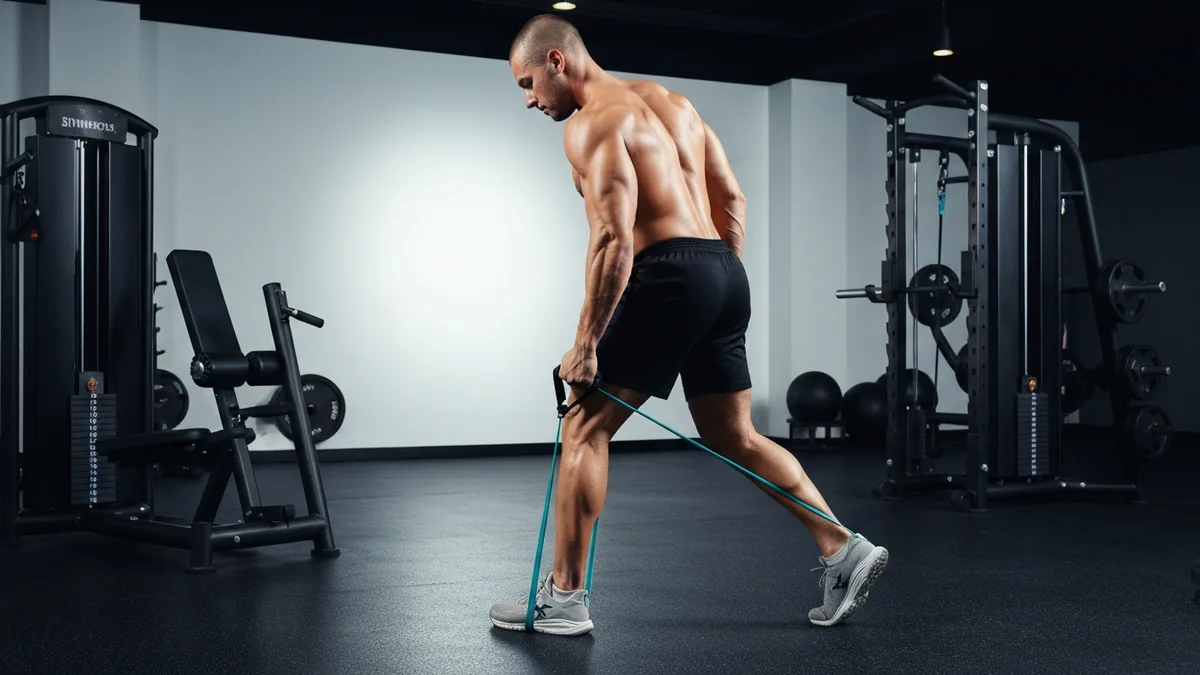
The best exercise equipment for lower back pain prioritizes building erector spinae endurance and core stability while minimizing spinal compression. Key items include a back extension bench for safe progressive erector training, resistance bands for isometric stability work, a foam roller for tissue maintenance, and a cable machine for low-compression back exercises. Avoid heavy axial-loading equipment until pain has fully resolved.
Equipment That Helps Lower Back Pain
Back Extension Bench
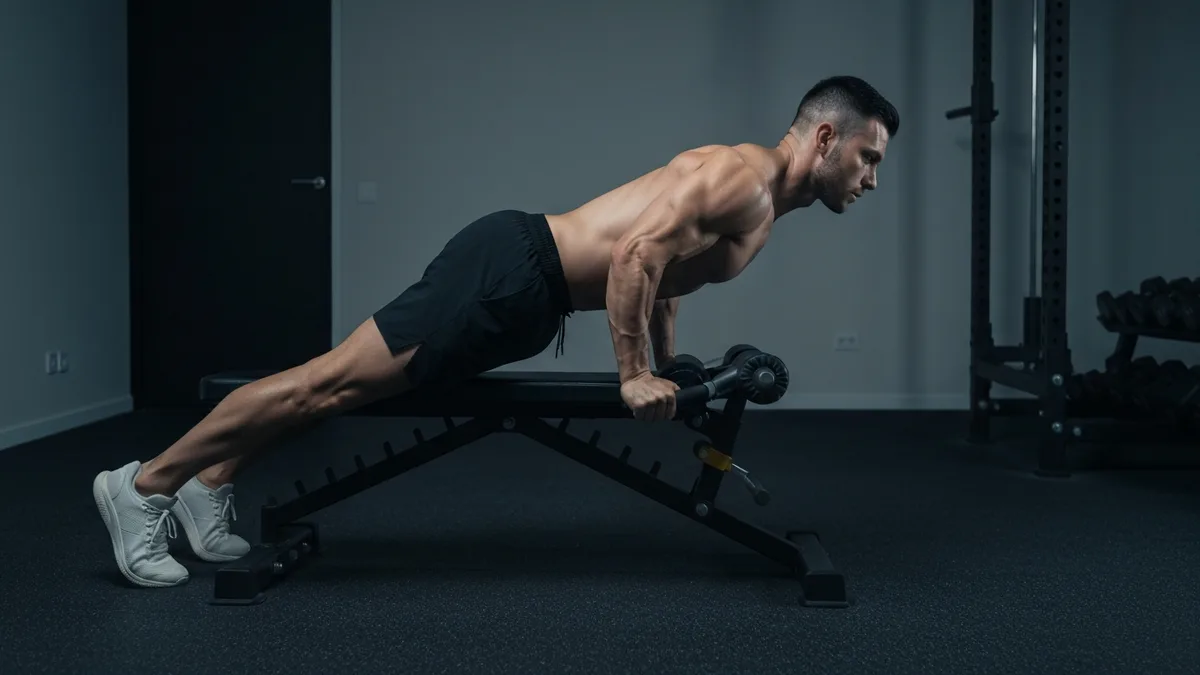
A 45-degree hyperextension bench is the single most effective piece of equipment for lower back pain management and prevention. It allows progressive back extension training from bodyweight to weighted, building the erector spinae endurance that research identifies as the strongest predictor of lower back resilience.
Start with bodyweight partial-range extensions and progress to full-range, then add weight only when 20+ reps at bodyweight are comfortable and pain-free. This progression matches the tissue healing and strengthening timeline for most lower back conditions.
Resistance Bands
Bands are the most accessible tool for the McGill Big Three stability exercises (bird dog, curl-up, side plank) and for adding light resistance to hip-hinge movements during rehabilitation. A light and medium band ($15-25 for a pair) covers the full rehabilitation-to-maintenance spectrum.
Band pull-aparts and face pulls also address the upper back weakness and postural dysfunction that contributes to lower back compensation — when the upper back cannot hold position, the lower back takes on additional stabilization demand.
Foam Roller
A medium-density foam roller serves two functions for lower back pain: thoracic spine mobilization (rolling the upper back to restore extension range) and trigger point release in the thoracic erectors, lats, and glutes. Do not foam roll the lumbar spine directly — the lower back lacks the rib cage protection of the thoracic region.
Cable Machine / Lat Pulldown
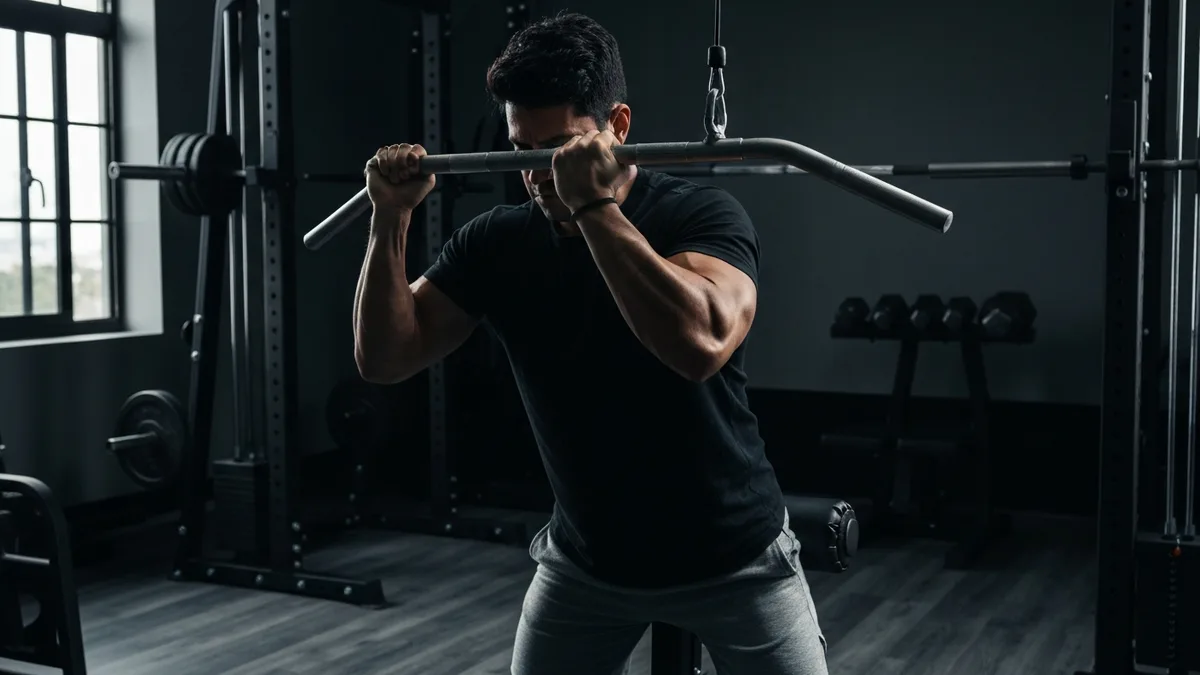
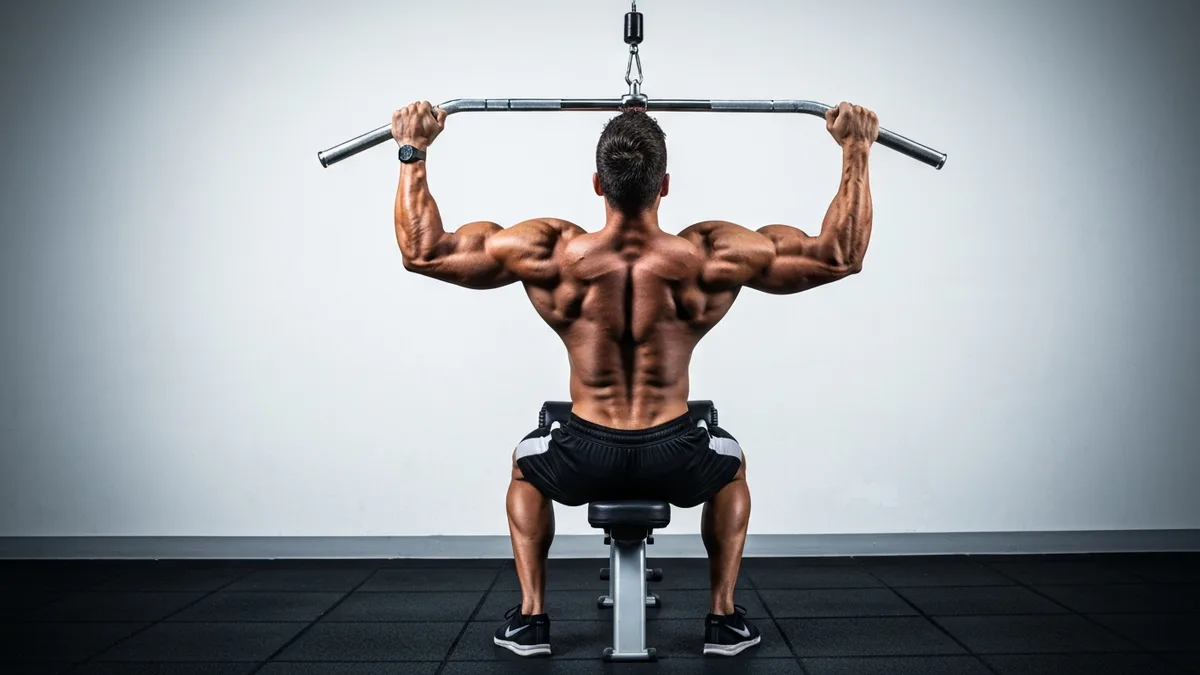
A cable station with adjustable height enables seated cable rows (back training without spinal loading), lat pulldowns (vertical pulling without the compression of pull-ups), and dozens of other exercises at controlled, adjustable resistance. For people with lower back pain, cables are often the first resistance training modality that feels safe.
Stability Ball
A 55-65cm stability ball enables seated core exercises, ball bird dogs, ball curl-ups, and supported stretching positions. The unstable surface increases core stabilizer recruitment during basic exercises. For lower back pain specifically, sitting on the ball while performing upper body exercises (like band pull-aparts) maintains light core engagement throughout the session.
Equipment to Approach with Caution
Heavy Axial-Loading Equipment
During active lower back pain, avoid equipment that compresses the spine under heavy load: barbell back squats, seated overhead press machines, loaded leg press (especially at deep positions where the pelvis tucks and the lumbar spine flexes), and heavy deadlift variations. These are not permanently off-limits — they should be reintroduced progressively after pain resolves.
Rotary Torso Machines
Machines that load the spine in rotation (seated twist machines) are the highest-risk gym equipment for disc-related lower back pain. The lumbar spine is designed for minimal rotation (approximately 5 degrees per segment) — forcing it into loaded rotation under machine resistance directly stresses the structures most commonly involved in disc injuries.
Inversion Tables
Inversion tables are widely marketed for lower back pain but the evidence does not support their use as a treatment. They provide temporary decompression and pain relief during the inverted position, but the effects do not persist after returning to upright. They do not build the strength, endurance, or movement capacity that prevents pain from recurring. A decompression stretch program produces the same temporary relief without the $150-300 equipment cost.
Recovery Tools
Lacrosse ball ($5-10): More targeted than a foam roller for erector trigger points, lat trigger points, and glute release. Essential for people with chronic muscle knots.
Heating pad ($20-40): Moist heat therapy for chronic tightness and muscle spasms. More effective than ice for chronic conditions (ice is better for acute injuries in the first 48-72 hours).
Massage ball set ($15-25): A set of balls in different sizes (small for specific trigger points, large for broader areas) provides more versatile self-release than a single lacrosse ball.
Back Pain Home Gym Setup
| Priority | Equipment | Cost | Purpose |
|---|---|---|---|
| 1 | Foam roller + lacrosse ball | $20-30 | Tissue maintenance, trigger point release |
| 2 | Resistance bands (light + medium) | $15-25 | McGill Big Three, band rows, face pulls |
| 3 | Back extension bench | $100-200 | Progressive erector strengthening |
| 4 | Cable station | $200-500 | Low-compression back training |
| 5 | Heating pad | $20-40 | Chronic tightness management |
Total for priorities 1-3: $135-255 — this covers the equipment needed for a complete lower back pain management and prevention program. For the exercise programming to match this equipment, see our isometric lower back exercises, back extension guide, and erector spinae exercises.